

In today’s age, we are bombarded with thousands of images every single day. Through the internet, we have access to millions of paintings and artworks at the click of a button. This level of visual exposure is unprecedented in human history. As painters, our experience of images is radically different from that of the old masters, who might have seen only a handful of great works in their entire lives.
Because we are constantly absorbing imagery, the line between inspiration and imitation can start to feel blurry. Most artists eventually face the same inner question: Is it okay to use this? Am I learning—or am I just copying?
To answer that, we need to distinguish between three very different modes of artistic borrowing:
- The Master Copy
- The Influence
- The Thief
1. The Master Copy: An Ancient Education
Let’s clear the air right away: making master copies is not only okay—it’s foundational.
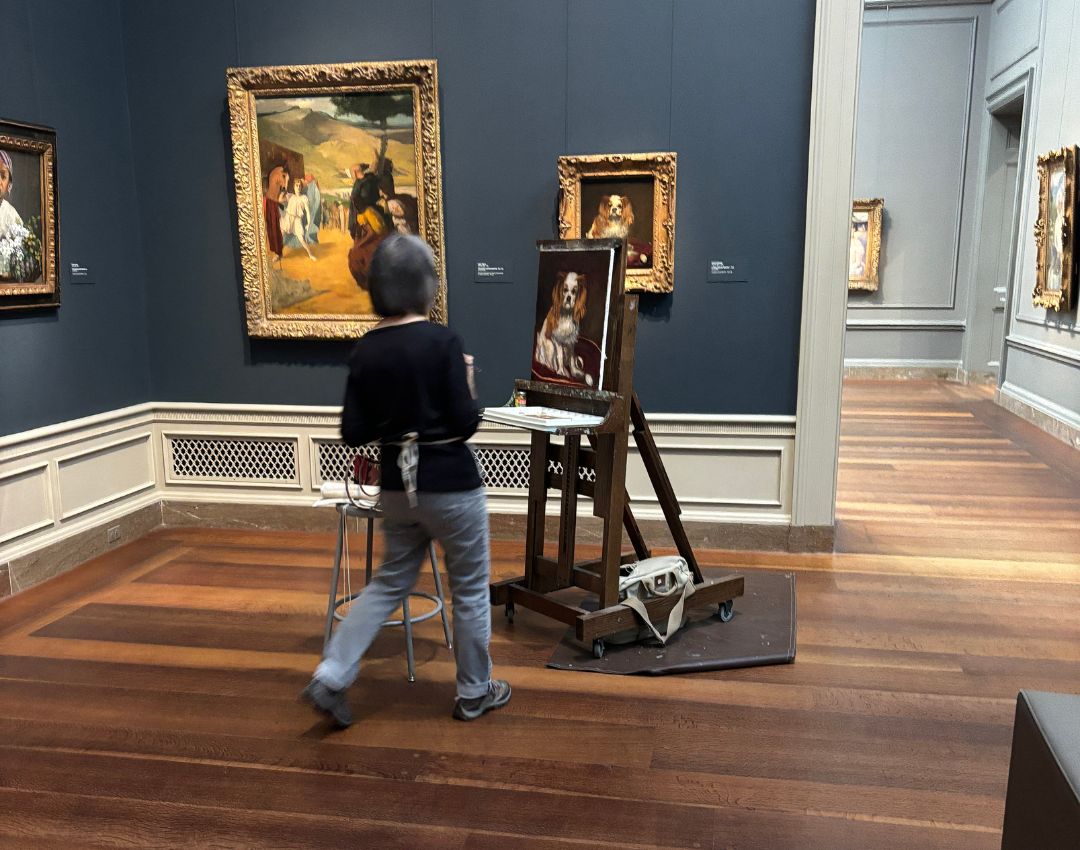
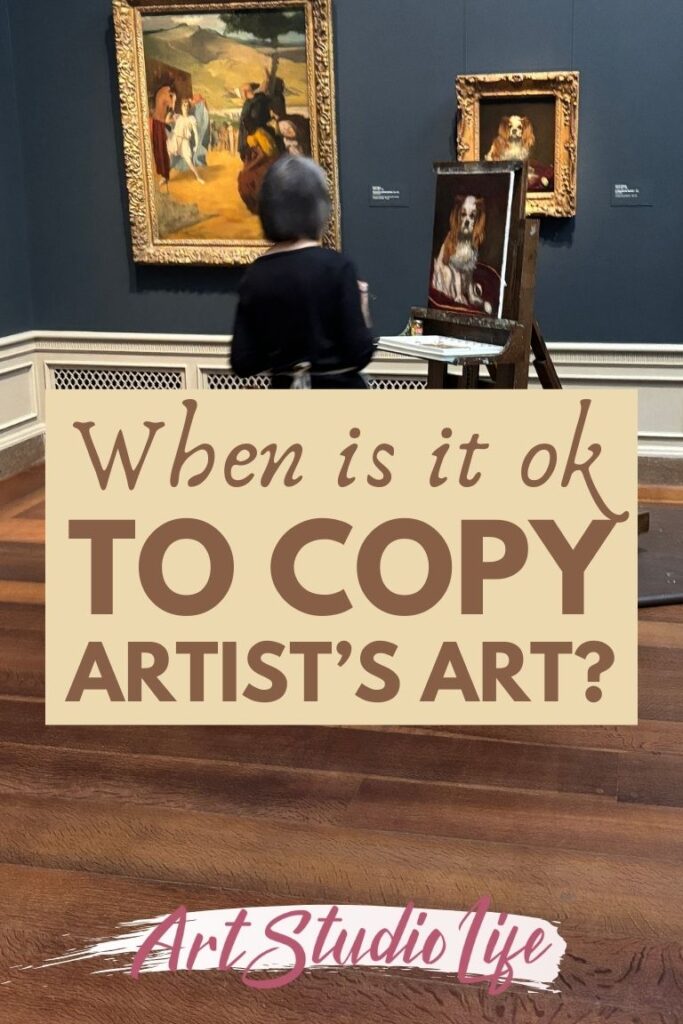
For centuries, students in the great academies trained by copying directly from masterworks. Young painters set up their easels in museums and carefully recreated paintings by artists like Leonardo da Vinci, Rembrandt, Velázquez, or Sargent. This practice was never about originality. It was about learning how painting actually works.
When you make a master copy, you are reverse-engineering a great work. You begin to understand:
- How the artist layered paint and glazes
- How edges are lost, found, or softened
- How color and value are used to guide the viewer’s eye
- How simplicity is often hiding beneath apparent complexity
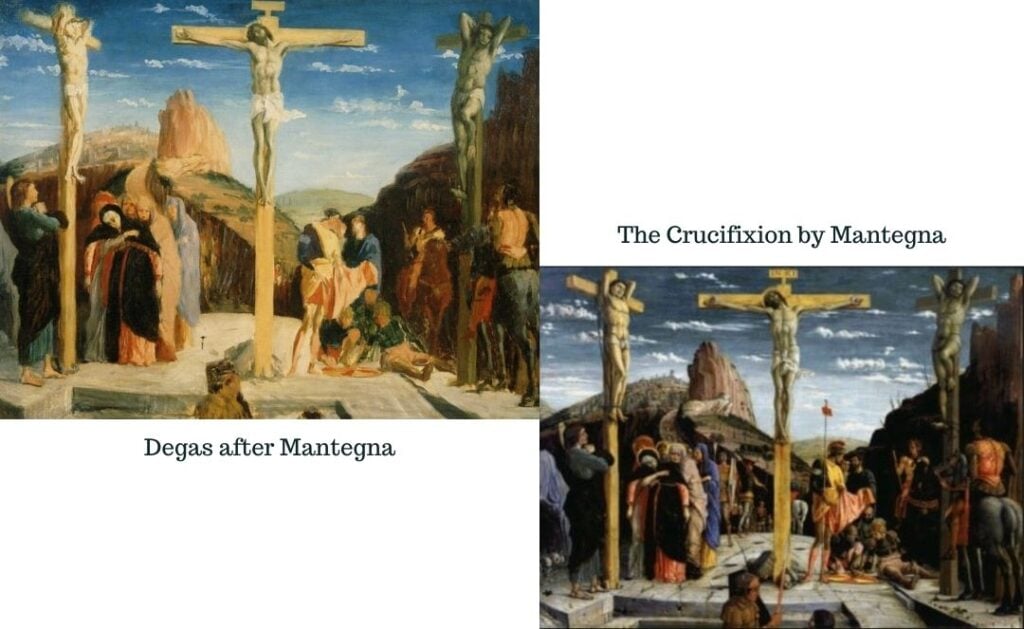
The rule: a master copy is a study, not a product. As long as you clearly credit the original artist and do not present the work as your own original concept, master copies are one of the most honest and effective ways to grow as a painter.
Traditionally, these works are titled “After Vermeer” or “After Rembrandt,” precisely to make that distinction clear.
Not All Old Master Inspiration Is “Copying Art”
That said, not all old master influence takes the form of direct copying.
Art history is full of examples of artists borrowing ideas—especially compositional ideas—from one another while still creating work that is unmistakably their own. Renaissance and Baroque painters often reused compositional structures, figure arrangements, or lighting schemes, adapting them to new narratives, new patrons, and new personal concerns.
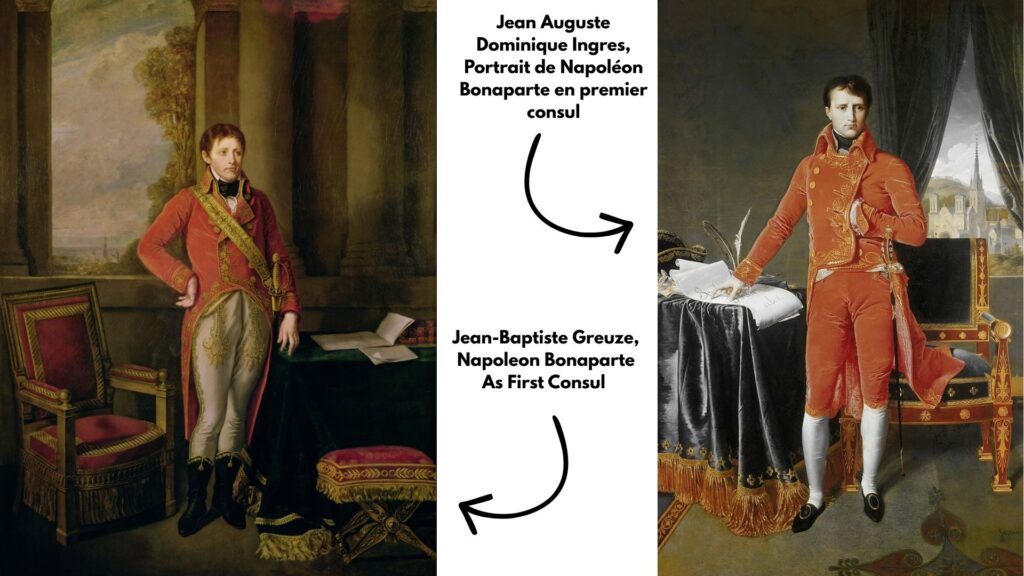
In these cases, the artist might borrow one element—perhaps the compositional order, the sense of balance, or the visual rhythm—while everything else remains original. This kind of borrowing is not theft; it is dialogue across time.
2. The Art of Influence: Making It Your Own
No artist is an island. We are all curators of what we’ve seen, studied, and lived.
You might be influenced by the brushwork of a contemporary painter, the mood of a piece of music, the lighting in a film, or the atmosphere of a place you once visited. Influence is inevitable—and necessary.
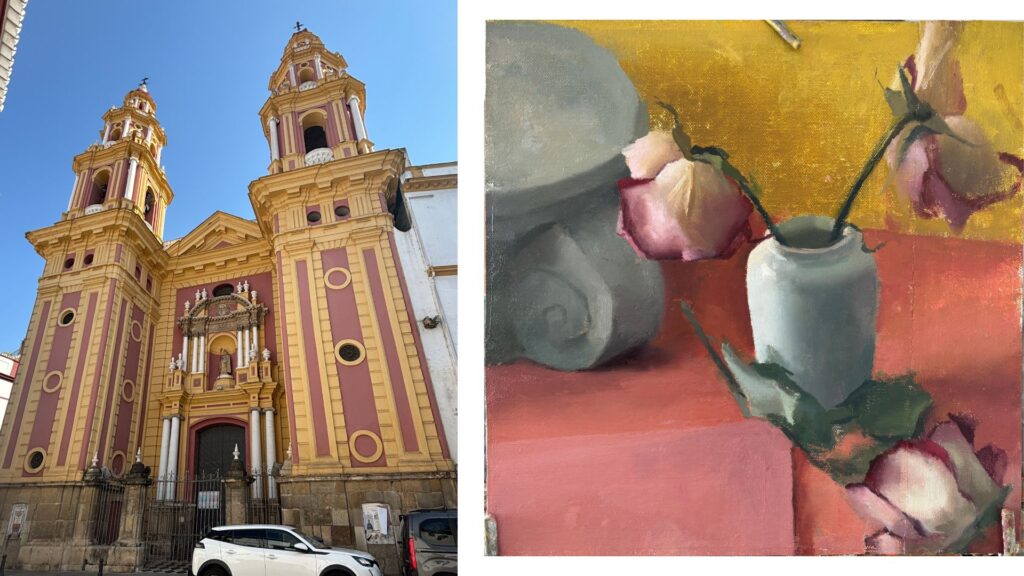
The difference between meaningful influence and shallow imitation is transformation.
Instead of copying what an artist painted, ask yourself why their work speaks to you. If you love an artist’s bold color palette, don’t paint their exact subject matter. Take that palette and apply it to something drawn from your own life and interests.
Think of influence like cooking: you can borrow ingredients, but you still have to make your own meal.
Steal the Thinking, Not the Surface
In Steal Like an Artist, Austin Kleon makes an important distinction: artists shouldn’t steal surface-level style—they should steal ways of thinking.
If you only copy the outward appearance of someone’s work, you end up with a knockoff. But if you study the reasoning behind an artist’s decisions—why they simplified, exaggerated, or repeated certain elements—you begin to internalize their way of seeing.
Here’s a simple example.
Let’s say you love Monet. A surface-level copy would mean painting a lily pond in blurry pastel colors with broken brushstrokes and calling it your own. At best, this results in a weak imitation that constantly invites comparison to the original
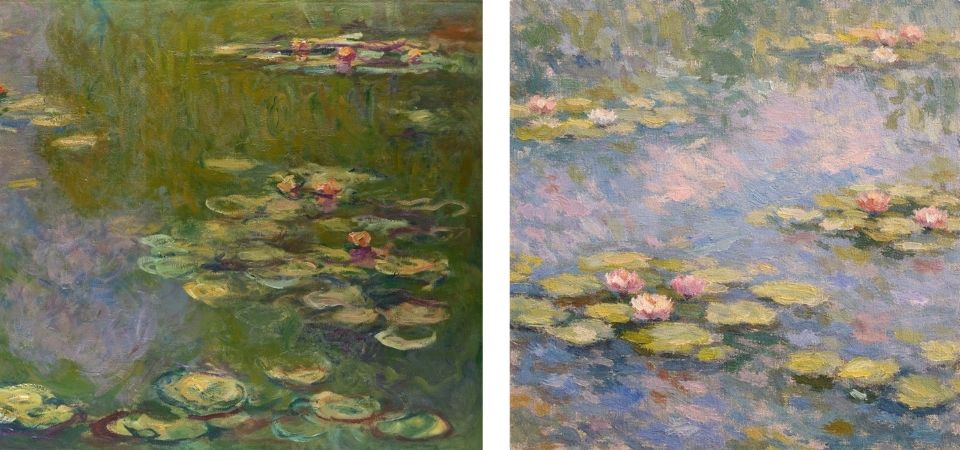
But if you steal Monet’s thinking, something else happens. You notice his obsession with light, time, and perception. You realize that he wasn’t really painting water lilies—he was painting fleeting moments. He worked on multiple canvases at once, returning to each as the light shifted, sometimes only for minutes at a time.
To apply this way of thinking to your own work, you might take several canvases to a park and paint the same scene repeatedly as the light changes. The subject could be entirely different from Monet’s, but the approach—the thinking—has been absorbed and transformed into something personal.
That is influence at its best.
3. The Line You Shouldn’t Cross
There is an unspoken rule in the art world, and it’s a simple one:
Do not copy another artist’s specific style, composition, and subject matter and present it as your own original work.
This kind of word-for-word visual copying is not only unethical—it ultimately harms the copier the most. When you imitate another artist too closely, your work lacks depth because you haven’t lived the experiences that led them to those choices.
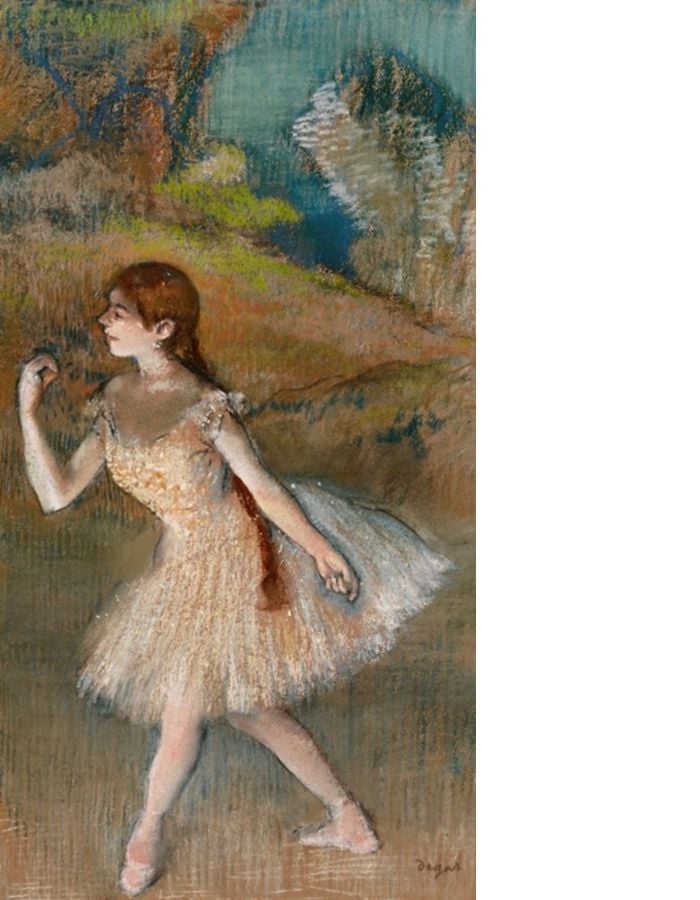
More importantly, you rob yourself of the opportunity to make real art.
True art happens when you filter the world through your eyes—your temperament, your questions, your limitations, and your experiences—not through someone else’s lens.
The Bottom Line
Use the masters to learn your craft.
Let the world inspire your heart.
But always let your own hand tell the final story.
What About You?
How do you feel about copying in art?
Have master copies helped your technique, or do you prefer learning through trial and error? I’d love to hear your thoughts—let’s continue the conversation in the comments.
Want to remember this? Save Is Copying Art OK to your favorite Pinterest board.

18 thoughts on “Is Copying Art OK?”
Thanks for your insights into this very intersting topic. It is something I have also been wondering about.
Many of my paintings are made using YouTube instructional videos. When I paint in my journal, I write the name of the instructor on the page. But outside of journal painting, most of my creations are used as greeting cards that I give away. I never know if it is OK to sign the painting.
Ah that is an interesting scenario. I think as long as you aren’t selling your cards then you should be ok – it is just something you are sharing privately. And it is not an exact copy of the artist’s work but rather your interpretation of it. So, I think you should be ok 🙂 As far as signing it – you could say inspired by (artist name) and then sign your name.
I feel it isn’t stealing to copy from another artist, after all when you look out at a tree and you paint that tree, are you not coping the Master’s work?
I understand the sentiment behind this, and I think it’s a beautiful way of expressing reverence for nature. But there’s an important distinction here. Painting a tree from life isn’t copying another artist’s interpretation — it’s responding directly to the source itself. When we copy another painting, we’re inevitably borrowing that artist’s choices: their design, simplifications, and decisions. Working from life allows each painter to arrive at their own solutions, even when the subject is shared. But there is absolutely nothing wrong with outright copying another artists work (especially for study and learning) and then giving credit to the original artist it is “after”.
Is it okay to trace photos? This is something I don’t agree with, but other artists say it’s ok. What do you think?
If you took the photograph yourself – it is ethically totally fine. When it runs into other people’s photos that things start to get a little less “ok”. Though tracing photos and working that closely will flatten your painting.
What about posting on the internet as on Pinterest. That is a public forum and unless it is stated as copyrighted, I would say that it is art that can be copied as long as it is stated that it came from a Pinterest posting and if possible name of the original artist? Sometimes the original artist is unknown.
Technically you can get in trouble for using someone else’s image as it is intellectual property rights. However if you are just doing it for your own self – there is no harm in it 🙂
Another excellent article and a constant dilemma for amateur artists such as myself. Your guidelines are clear and helpful.
Thank you for your kind words – glad this was helpful!
Really well written for any level of artist to reflect upon.
Once we put our art work out into the public, it has to be screened to answer to our own conscience. If you paint as a hobbyist, there comes a time when our inner satisfaction also comes into conflict with what is truly our own creation.
Thank you — this is beautifully said. When we know a painting is really just a copy, there’s often a subtle loss of satisfaction, even if it looks good. That inner sense of honesty with the work matters, whether we paint as hobbyists or professionals.
I’ve done master copies for the reason you stated, to learn how to get a similar feeling in my own paintings. However, if someone says ” that reminds me of … work” I feel like I’ve failed and just copied them. It’s impossible to create a new form or way of painting!
Don’t feel too badly when that happens! It really takes time. It took me a while before was able to understand how to incorporate what I learned from master copies into my own work – as well as not just “copy” them but try to capture the spirit of the painting. All in practice 🙏
Very interesting and informative article. Thanks.
Glad to hear that, thank you!
When I am moved to copy something, it is because I am very impressed with the artist’s creation.
Yes certainly! This is how I personally often decide why to copy other artist’s paintings for study and learning.