


When I am presented with too many options, even if they are all good, I tend to freeze.
There is a subtle fear that I might choose the “wrong” thing. Or perhaps even a quieter fear — that by choosing one path, I am giving up all the others.
Abundance can feel liberating. But very often, it is paralyzing. The same thing happens in painting.
When we suddenly have:
- Dozens of colors
- Endless brushes
- Multiple surfaces
- Constant new techniques

Things can become complicated very quickly.
There is a strong case to be made for simplifying — for intentionally limiting what we allow ourselves to work with.
We often know this instinctively, though sometimes we need to remind ourselves that working in a simplified way is not restrictive — it opens up more opportunities.
Why Limitation Creates More Creativity
A compelling example of this principle in another creative field is Alfred Hitchcock.
Alfred Hitchcock repeatedly said that self-imposed limitations strengthened storytelling.
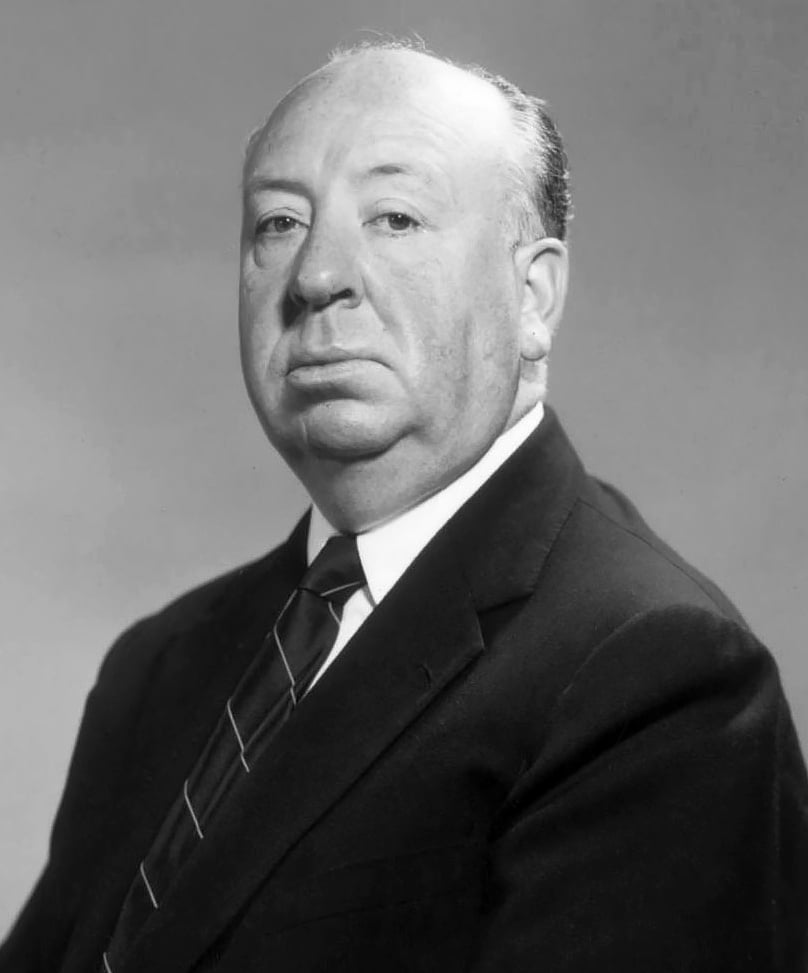
He preferred tight settings — like a lifeboat in Lifeboat or a single apartment in Rear Window. By removing spectacle and excess, he was forced to rely on pure construction: composition, pacing, psychological tension.
He believed that constraints made him more inventive, not less.
When you remove what is unnecessary, what remains must be strong.
This applies directly to painting.
Limitation Builds Depth — Not Narrowness
Limitation does not shrink your work. It deepens it. When you work with fewer tools, you are forced to explore them more thoroughly. Instead of skimming across many options, you go deeper into fewer ones. And depth — not variety — is what creates mastery.
How We Can Create Limitations in Our Own Work
Limit Your Color Palette
One of the most straightforward ways to create limitation is to reduce your color range. Even working with just four colors can dramatically change how you think. I learned an extraordinary amount about color when I limited my color range. This forced me to really understand the potential of each color on my palette.
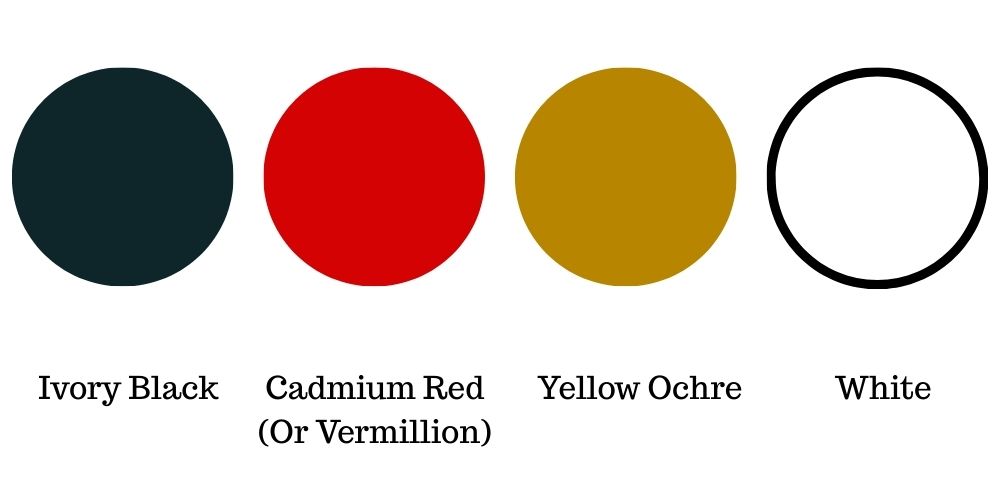
With a limited palette:
- You learn color mixing more intimately
- You experiment more
- You discover unexpected harmonies
- You become resourceful
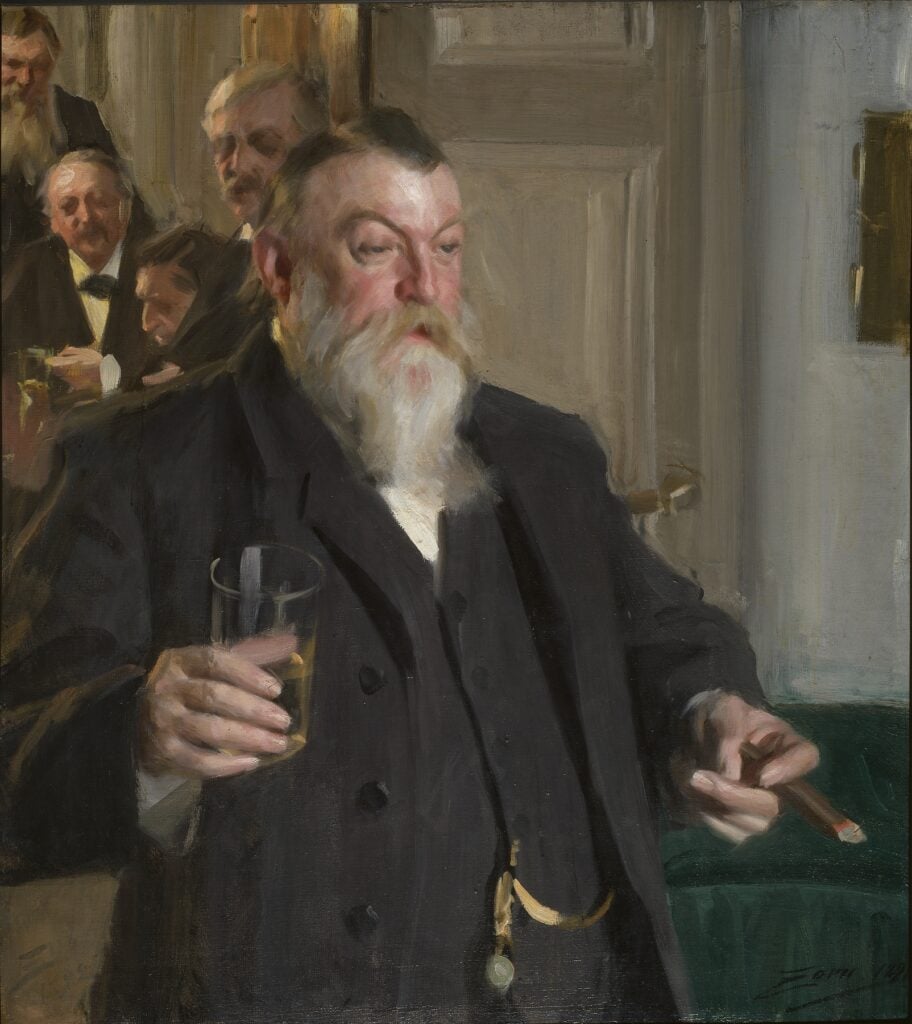
Your brain shifts from selecting to constructing.
Many painters throughout history worked with extremely restricted palettes — not because they lacked access to paint, but because restraint creates cohesion.
Limit Your Subject Matter
If you are constantly shifting between portraits, landscapes, florals, interiors, and abstraction, your focus becomes divided.
Limiting your subject matter allows for:
- Deeper observation
- Greater refinement
- More consistent progress
Even within a still life, limitation can apply.
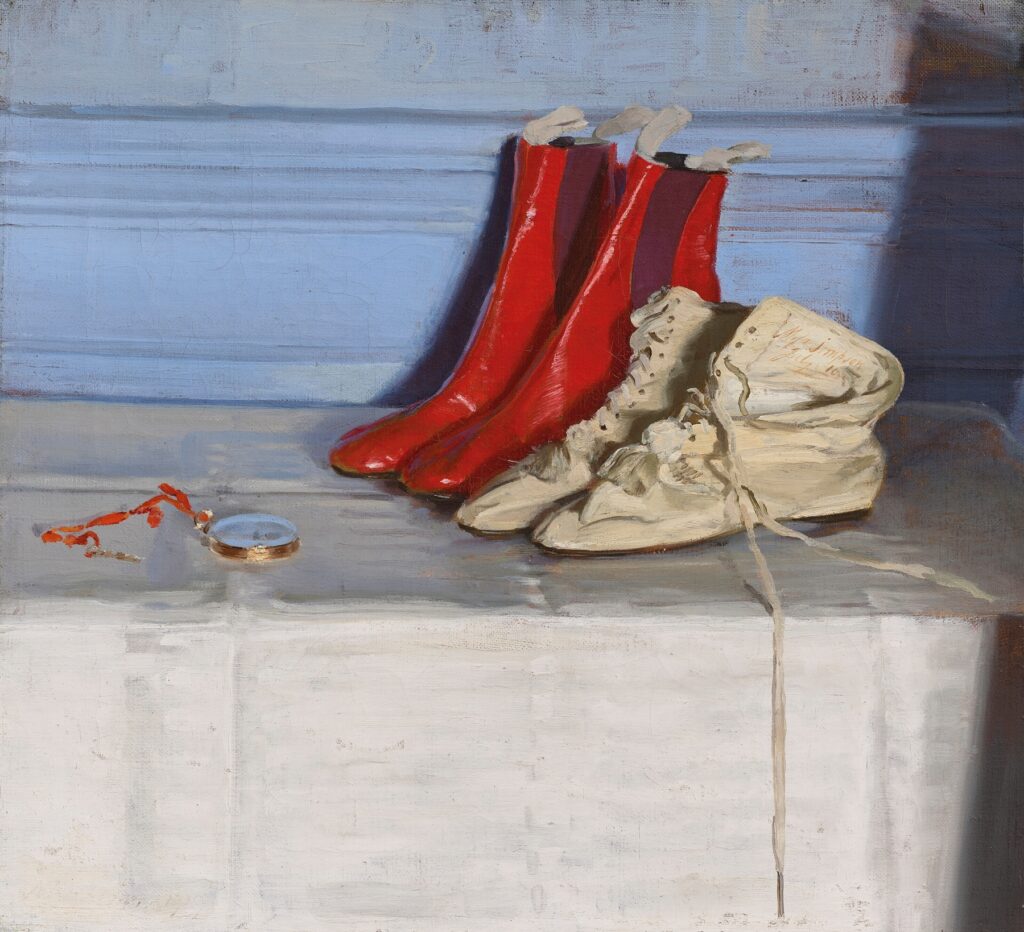
Instead of filling a composition with many objects, choose just a few essential elements. Ask yourself: what is truly necessary for this painting to work?
Restraint strengthens clarity.
Limit Your Learning Sources
Learning is a wonderful thing. But constantly consuming instruction from many different voices can create confusion.
Different teachers:
- Emphasize different methods
- Use different terminology
- Value different aesthetics

If you are always switching perspectives, your mind becomes crowded.
Choose one primary source of instruction that aligns with your goals. Commit to it long enough to implement what you are learning.
Clarity often comes not from more information, but from focused implementation. Just like active doing creates understanding.
Creative Limitation Reduces Noise and Reveals Structure
A simple line drawing is a perfect example of how limitation exposes truth.
There is nothing for it to hide behind.
Without shading, color, or texture to soften mistakes, every inaccuracy becomes visible. The drawing either holds together, or it doesn’t. Shading can disguise weak structure and still make an image look “decent.” But a line drawing reveals everything.
Painting works the same way.
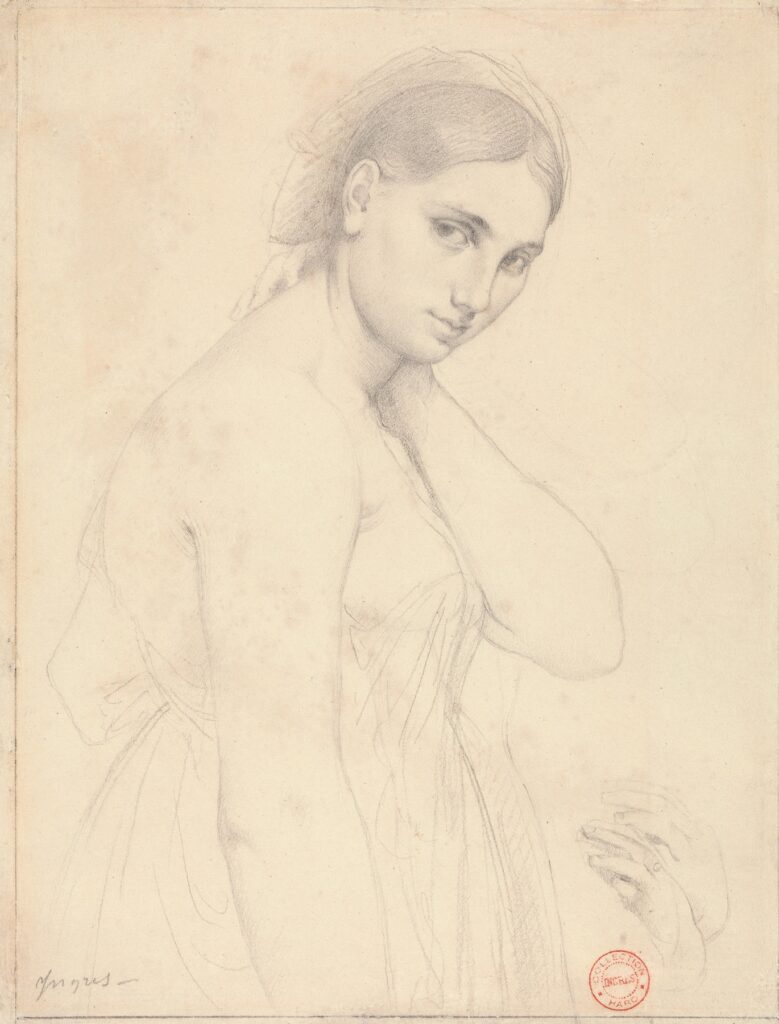
When we remove excess, we remove our ability to conceal weakness, and in doing so, we gain clarity about where our work truly stands.
When we work within limitation:
- Weak drawing becomes visible
- Value structure becomes essential
- Color relationships must be intentional
- Composition must stand on its own
Limitation strips away noise and reveals fundamentals. It can feel uncomfortable — because we cannot hide behind complexity. But that discomfort is not a threat. It is information. And it is precisely where real growth begins.
Creative Limitation in Oil Painting: A Practical Shift

In a world that constantly offers more — more tools, more options, more noise — choosing less can feel counterintuitive.
But for the painter, limitation is not deprivation. But it is refinement.
It reduces overwhelm.
It sharpens focus.
It strengthens structure.
It deepens creativity.
And perhaps most importantly — it allows you to actually begin.
Want to remember this? Save How Limitations Can Help Your Art to your favorite Pinterest board.

16 thoughts on “Why Having Creative Limitations in Oil Painting Can Actually Help”
Wow, Elizabeth this was so clarifying for me! Now I see where and why I have struggled at times with my art and oils.
Thank you!
Debbie
So glad this was helpful Debbie!
Thank you! It helps to see why I get stuck sometimes. Especially when deciding on the next painting I want to tackle. It’s hard when you like too many subjects. It’s choice overload! Or analysis paralysis.
I definitely understand that aspect of liking many subjects… it can be a little overwhelming!
Very helpful article Elizabeth, I will remember this.
I was curious about the inclusion of black rather than blue in the 4 colour palette . Do you have a comment on that?
As for limiting choices of instruction, I have found you provide a wonderful depth and breadth of guidance in your teaching.
Thankyou
Judith
So glad to hear that 🙂 And yes – ivory black actually can act as a blue because it is a very cool black. If you mix some ivory black with white you will see how blue it looks. Thank you so much for your kind words – I really appreciate that!
I enjoyed your article. Sometimes no limitations for a creative work can actually be frightening, especially for people with limited experience.
So glad you enjoyed this article. And yes! It absolutely can be frightening to not have any limitations – especially when starting out..
loved this post!!!
you are becoming an excellent teacher.
love the bits about alfred hitchcock.
am thoroughly caught in my second round of self teaching via those established…
daniel keys
arthur gain
florent farges
richard robinson
chelsea lang
paul foxton
dianne mize
viktor volegov
and you…
haha
thing is- i am learning nuggets from everyone, everywhere.
i am a bit saturated but profoundly grateful for experiential knowledge.
but it def is about the practice. i tend to stay too long in analysis mode (so brain rewarding!).
i shall use your nuggets of wisdom in my practice today.
i love the theoretical stuff. your vid on composition- the harmonic armature was a lil mind blowing.
thx for that.
keep up the good work little sister.
=^..^=
Thank you so much for this — so appreciate your kind words.
I love that you’re gathering nuggets from so many different teachers. That kind of curiosity is a gift. Yes, it can feel a little saturated at times, but that’s often just part of the learning cycle. Different voices help us see from different angles — and over time, certain ideas naturally rise to the surface and begin to anchor our focus.
And I smiled at what you said about analysis mode being brain-rewarding. I relate! But you’re absolutely right — it’s the practice that transforms all those insights into something alive.
I’m so glad the harmonic armature video resonated with you. That makes me very happy.
Keep going — you’re clearly doing the work. ♡
Thank you. This makes perfect sense and it reminds me of those very simple, almost boring motifs in classical/serious music that eventually become much more interesting within the fabric of a musical composition. This may not be an accurate analogy; it just reminds me of the usefulness of what you present.
I’m not sure that recent evidence supports the suggestion that Zorn was typically limited to that palette. But that’s a small matter and not relevant to the thesis of your helpful article.
Thank you again. I appreciate your intelligent insights.
Thank you — I’m so glad the article resonated with you. I really appreciate the musical analogy you drew. Those simple motifs that gain richness within a larger composition are a wonderful comparison. And you may be right about Zorn. I haven’t yet explored the more recent evidence in depth, so I’m grateful you mentioned it. It’s something I’ll look into further.
Thank you again for your generous and thoughtful comments!
Thanks for this reminder. The four color palette is my starting point.
So welcome! Glad this was a good reminder
Elizabeth, you write such excellent articles with very clear recommendations. I paint a lot of portraits but I am now going to try with just five colours. Thank you so much.
Thank you so much for your kind words! That is an excellent idea to start simplifying with a limited palette.