

Every painter, no matter their experience level, eventually hits a plateau. It’s that unsettling feeling of painting regularly, yet not seeing progress. You might feel stuck—like your work looks the same no matter how hard you try. This is where intentional painting exercises can make all the difference.
The challenge often isn’t a lack of effort, but not knowing what to improve or how to move forward. When you don’t know where the weak points in your skills are, progress becomes elusive. The good news is, once you start identifying and addressing those gaps, growth follows naturally.
If you have access to a trusted mentor or teacher, make the most of that opportunity. Honest critique is worth its weight in gold—but if you don’t, there are still practical ways to push yourself forward. The steps below are painting growth exercises that can help you pinpoint where your growth has stalled—and how to break through it.
1. Get outside your comfort zone
Ask yourself: What do I always do in my painting process? That’s often the very thing worth shaking up.
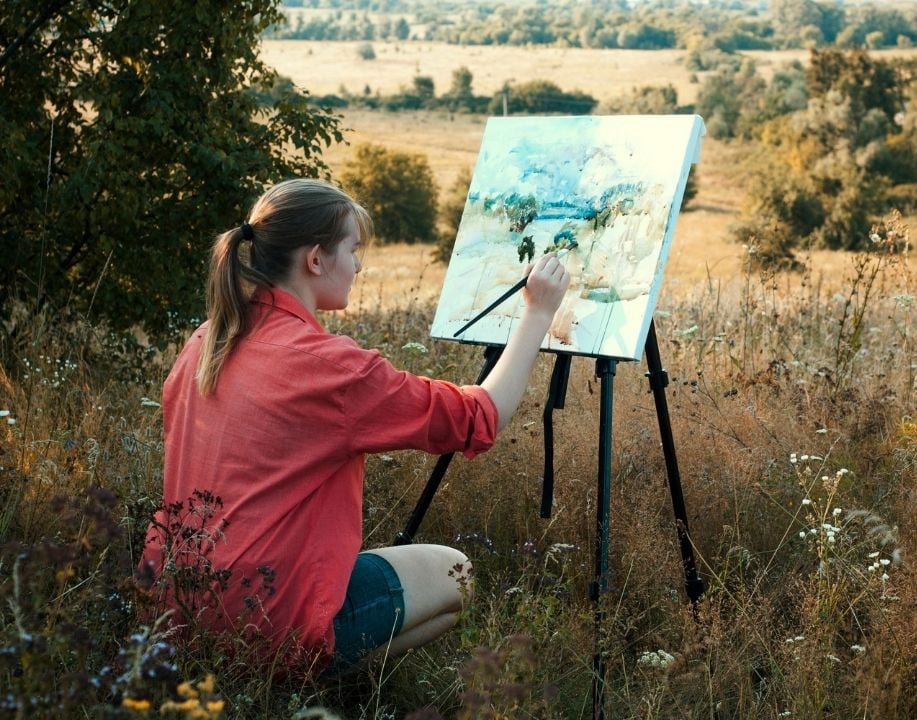
If you typically paint from photos, try working from life. Go outside and paint en plein air, or set up a still life in your studio. Painting from life forces you to see color, light, and value relationships in a way that photographs can’t replicate. It strengthens your ability to make decisions directly from observation rather than from a flattened image.
On the other hand, if you always paint from life, try working from imagination. This can be surprisingly revealing. You’ll quickly notice where your understanding of value, color, and structure is strong—and where it’s not. You might also try simplifying or abstracting what you see, or rearranging your setup mid-painting to challenge your adaptability.
The first time I worked from imagination after going through some formal training, I painted a landscape. I find landscapes are one of the best subjects to work with from imagination as it is much more forgiving than working with other subject matter.
Growth rarely happens when things feel easy. The discomfort of trying something unfamiliar is often exactly what propels you forward.
2. Look at great art—and copy it
If you’ve followed me for a while, you know how much I value making master copies. One of the very best painting exercises and fastest ways to learn is to study and copy master paintings. There’s truly no substitute for learning directly from the great painters who came before us.

We’re incredibly fortunate today: with the wealth of high-resolution museum images online, we can study paintings closer than many people could even when standing in front of them in a gallery. And all for free!! Some notable sites offering high res images are google arts and culture, getty museum collection among many others. Some large works hang high on museum walls, making them difficult to examine up close—yet from your computer, you can zoom in and see every brushstroke and subtle color shift.
Powerful painting exercises for better growth
Choose a painting that deeply resonates with you and try to recreate it—not as an act of imitation, but as a form of study. As you paint, ask: How did this artist simplify shapes? How did they create light, or harmony, or structure? Through this process, you’ll absorb lessons in composition, color, and handling that no amount of reading can teach. But don’t do this just once – make it a regular part of your practice.
3. Change your scale
If you usually paint small, try working on a large canvas. The process changes completely—you have to think more broadly, make bolder marks, and commit to larger compositional decisions.
Likewise, if you typically paint large, try something small. Smaller works demand precision and clarity. They reveal weaknesses in design and value structure that can hide in bigger, more expressive pieces.
Switching scale refreshes your habits and opens your eyes to new challenges and possibilities in your work.
4. Learn new techniques and explore new materials
Sometimes progress stalls simply because we’ve stopped learning new technical skills. Seek out a technique you’ve never tried—whether that’s glazing, scumbling, or even experimenting with a limited palette.
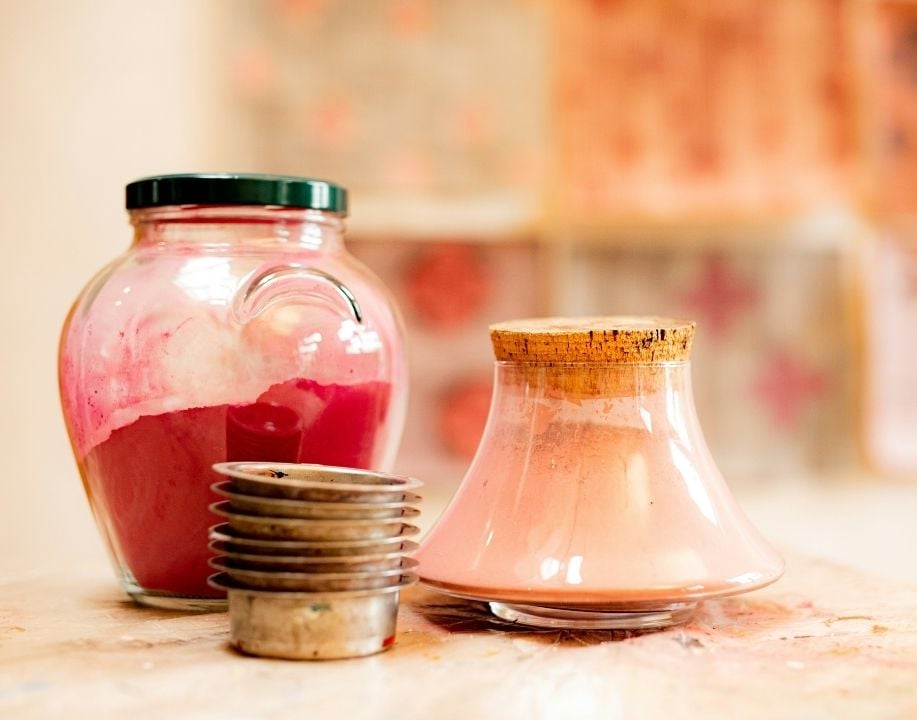
You might also try a new medium. If you’re an oil painter, experiment briefly with gouache, watercolor or encaustic paint. Working in a different medium teaches you to think differently about layering, edges, and color mixing—and often, when you return to your main medium, you bring fresh insight with you.
Curiosity is one of the greatest tools you have as an artist. Treat new techniques as experiments, not commitments.
5. Find peers who challenge and inspire you
Being part of an artistic community is one of the most powerful ways to keep growing. During my art school years, I learned as much from my fellow students as I did from instructors. We’d look at each other’s work, share frustrations, and encourage one another to take risks. That kind of peer accountability and shared momentum is invaluable.

If you don’t have a local art group, seek out an online one—or even just one or two trusted painter friends. Studies have shown that working alongside like-minded creative peers significantly improves motivation and follow-through on long-term goals. In short, we grow faster together than alone.
If being part of a group of like minded peers is something that resonates with you, stay tuned to our e-mail newsletter because we have something really exciting in the works for the future…
Art can be solitary, but growth rarely is. It is important to surround yourself with people who take their craft seriously, and your own work will naturally rise to meet that energy.
Final thoughts on Painting growth exercises
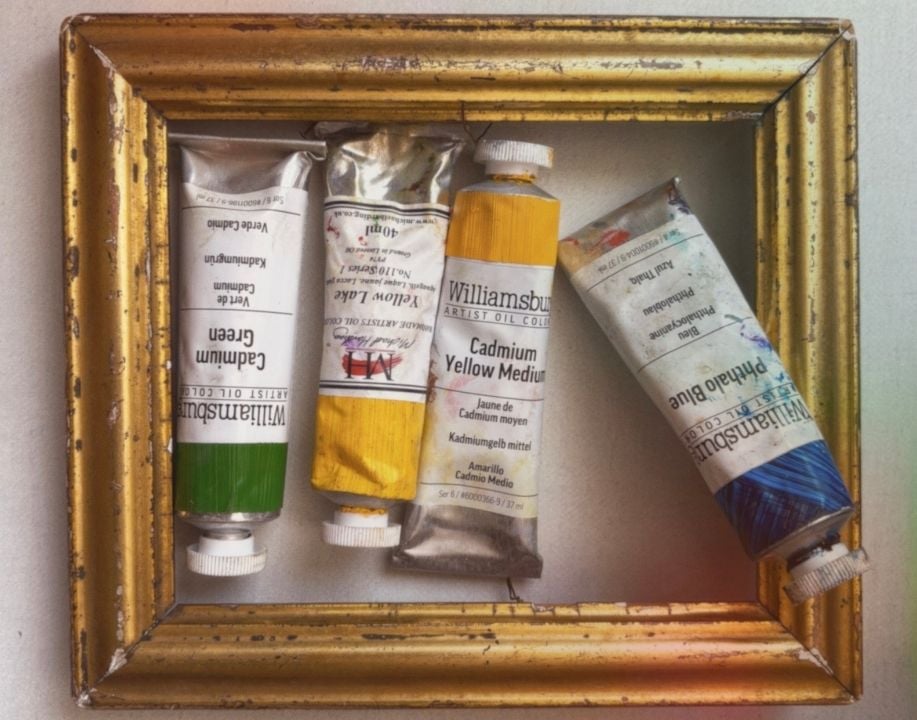
Hitting a plateau doesn’t mean you’ve failed—it means you’ve reached the edge of your current skill level. Every painter who continues to grow will encounter these moments again and again. The goal isn’t to avoid them, but to recognize them as an invitation: a signal that it’s time to stretch into something new.
When you start experimenting, studying, and connecting again, momentum returns. Progress in painting rarely happens in a straight line—but every experiment and challenge contributes to your growth as an artist.
Love to hear from you in the comments below. What is the biggest challenge you’re facing right now that’s inhibiting your painting growth?

14 thoughts on “Why You’re Not Getting Better at Painting (and 5 Exercises that Help)”
This was very encourageing. Im pretty isolated and alway looking for helpful ideas
So glad to hear that this is encouraging and helpful! It can be hard to be isolated when learning – but the internet really helps with that!
Thank you for your instructions on glazing and trying new things
You are so welcome!
Thank you, true and most helpful advice, very much appreciated
You are very welcome!
Thank you for this! I’ve hit plateaus with other things (like piano which I gave up on 😔) and I know it can be hard to get past.
I’ve been asking a couple of my friends for honest feedback which helps! They don’t paint but they appreciate art and give honest feedback.
You are so welcome! Glad this is helpful. Its quite surprising how helpful critique from non painters can be. A pair of fresh eyes can sometimes make a big difference.
Thank you for this valuable article and all the links to art. It helps.
You are very welcome – glad it is helpful
Excellent! Loved it!
So glad to hear that! Thanks for sharing 🙂
Your practical advice resonates as I try to use all in my learning process. Are you starting an online community?
Thank you for sharing that Michael, very glad to hear that! Yes, actually plans are currently in the works for starting one.