
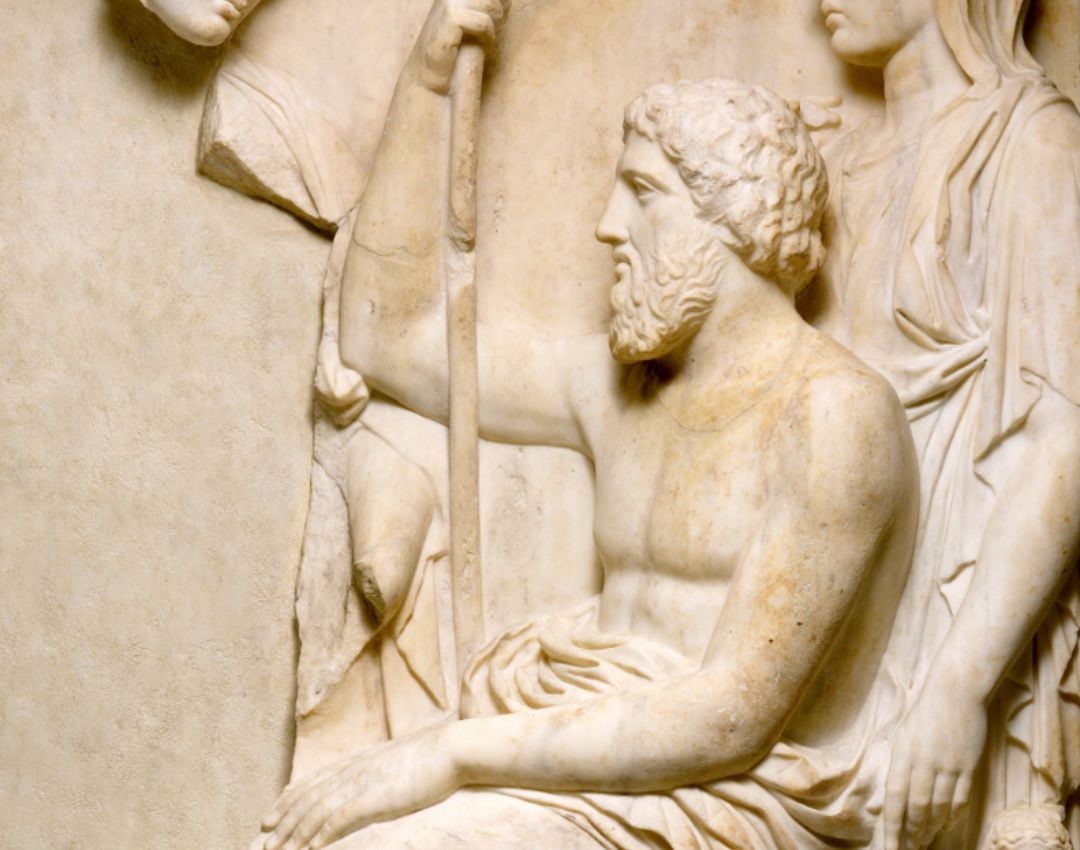

When we think of great painters, we often imagine them with a brush in hand, hovering over a canvas. But what we often overlook is—many of these artists studied painting and sculpture hand in hand.
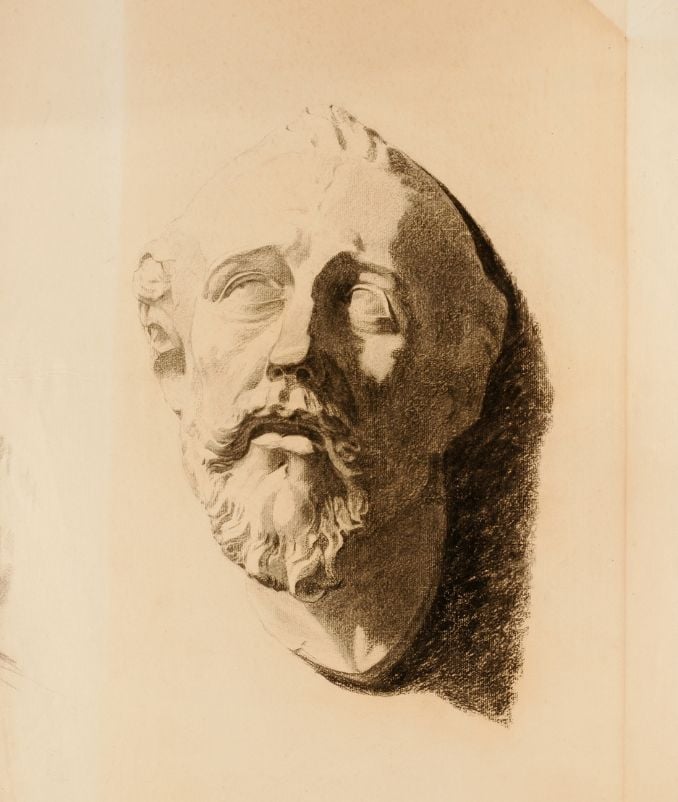
For many of the old masters sculpture wasn’t a side interest—it was central to their understanding of form, light, and three-dimensionality. So, if you want to take your painting further—try thinking more like a sculptor. Let’s get started looking into how to do just that!
The Old Masters Knew the Power of Form
Leonardo da Vinci, Michelangelo, Rubens, and many other master painters weren’t just painters—they were deeply familiar with sculpture. Michelangelo, of course, was both a master sculptor and painter. But even artists who didn’t sculpt professionally often studied classical sculpture or created small sculptural models to help them understand form more completely.
Why? Because sculpture forces you to think three-dimensionally. It requires you to consider how light falls across a surface, how volumes emerge and recede, and how forms relate to one another in space. These are the very same qualities that make a painted figure, face, or object feel alive and convincing. Painting and sculpture benefit each other immensely.
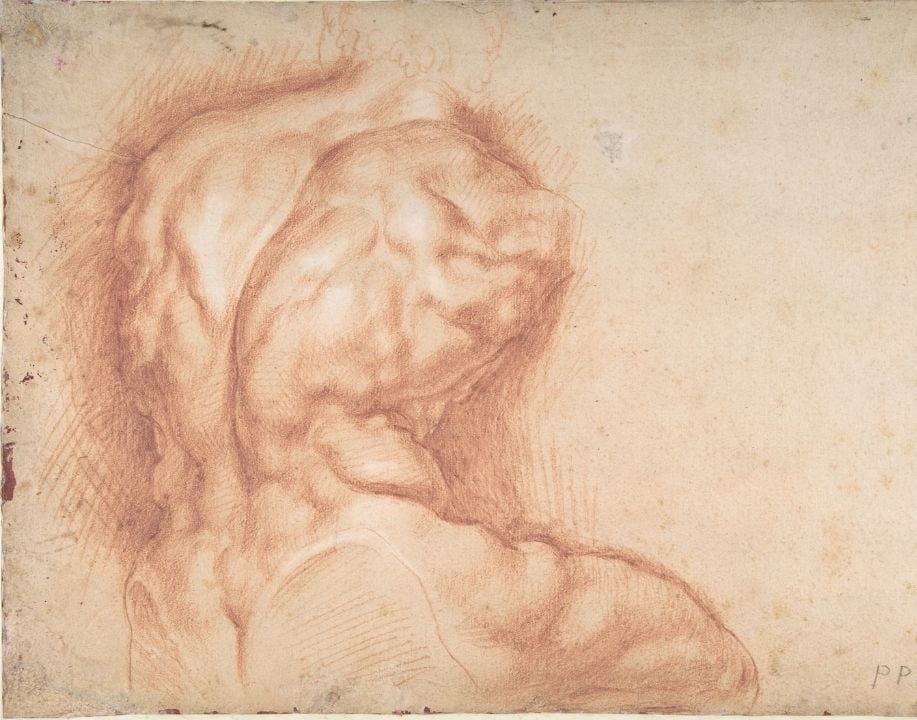

Painting Isn’t Just a Flat Surface—It’s Built Form
One of the greatest challenges in painting is making a two-dimensional surface appear three-dimensional. When you paint a portrait or a still life, you’re not just putting colors next to each other—you’re building the illusion of form and volume.
Many great painters talk about painting as a form of “carving” or “chiseling.” They describe shaping the face or form with planes of light and shadow, just as a sculptor would shape marble or clay. This mindset—thinking of painting as a sculptural act—can radically shift how you approach your work.
Velazquez and Volume in Painting
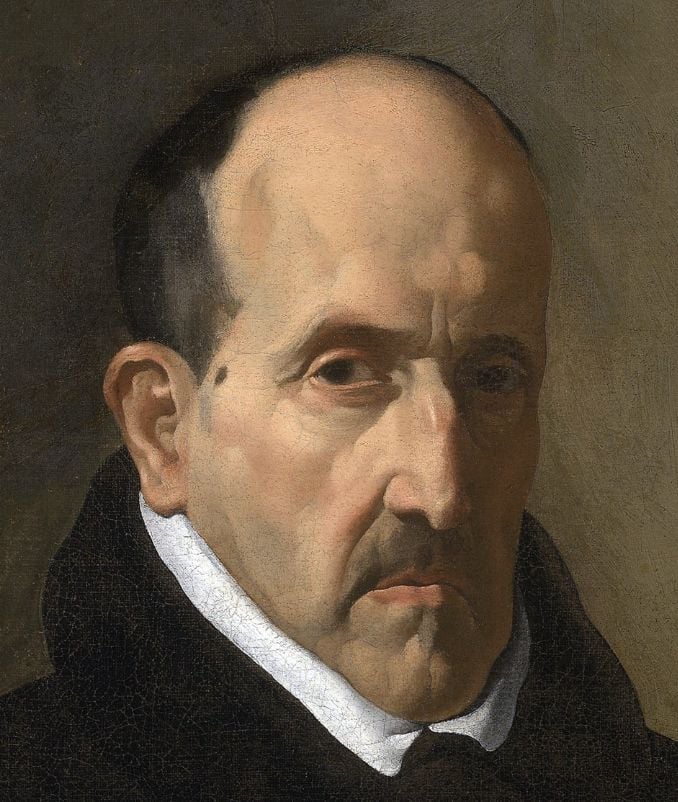
For example, take a look at Velazquez’s painting of Don Luis de Gongorra. It is an incredible work of “building and carving” with paint. The color spots and values build the portrait almost like a sculpture. Each placement contributes to the sense of volume and shape.
When you work in such a way as this Velazquez painting, you begin to “model” your subject, considering the underlying structure and how light reveals it. Suddenly, painting becomes about construction, depth, and rhythm. You’re not just seeing a subject—you’re building it.
How Sculpture Training Sharpens a Painter’s Eye

Studying sculpture, even in a basic or informal way, can train your eye to see more clearly:
- You begin to see the planes of the face or body more clearly, rather than getting lost in details.
- You understand how light moves across a form—not just in highlights and shadows, but in the subtleties in between.
- You develop a stronger sense of proportion and structure, because sculpture demands it.
- You become more sensitive to rhythm and movement, since sculpture is physical and occupies space.
Even simply sketching sculptures—whether from life or from reference—can improve your grasp of form and value in painting.
Simple Ways to Bring Sculpture Into Your Practice
You don’t need to take up clay or marble carving to benefit from this sculptural mindset. Here are some simple ways to integrate it into your painting practice:
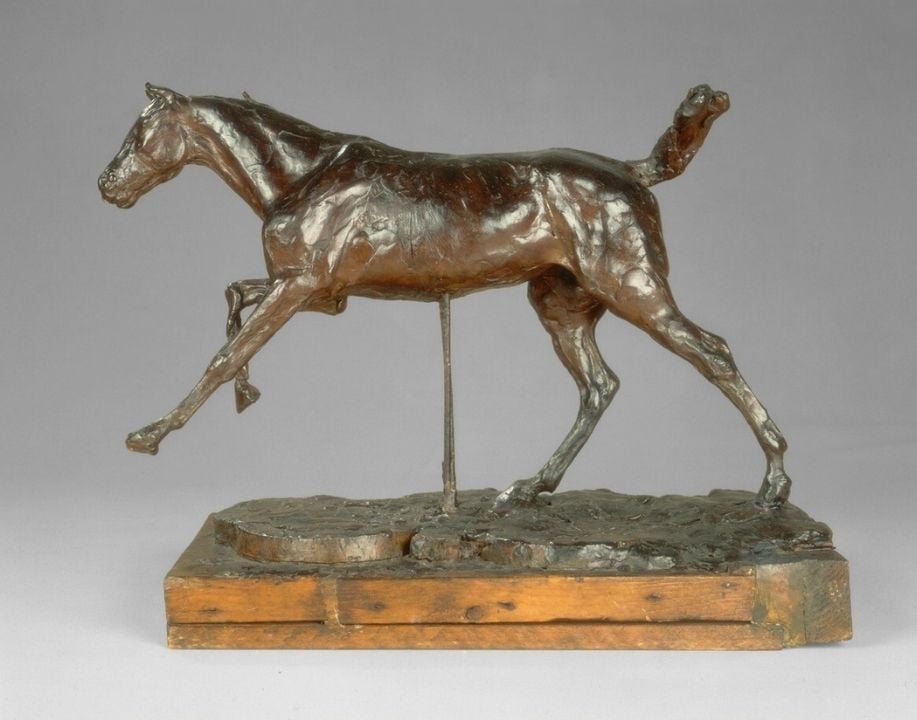
- Draw from sculpture: Visit a museum or work from photos of classical sculptures. Try sketching them in charcoal or pencil to focus on form and value.
- Study planar structure: Learn the basic planes of the head and body. These help simplify form and improve your light logic.
- Use sculptural metaphors: When painting, think in terms of carving, massing, or turning forms in space.
- Try modeling with clay: Even basic exercises in modeling a head or torso in clay can profoundly affect how you see form in your painting.

Final Thoughts
Great painting is grounded in great seeing. And great seeing is deeply tied to understanding form. The old masters knew this, which is why they didn’t just study color or composition—they studied sculpture. By training yourself to think more three-dimensionally, your paintings will naturally gain strength, clarity, and presence.
Whether you’re just starting out or have years of experience behind you, thinking more like a sculptor might be one of the most transformative shifts you can make in your painting journey.

10 thoughts on “Why Great Painters Study Sculpture (and Why You Should Too)”
Hi Elisabeth.
Thank you so much for this post; as a retired carpenter and builder, I am familiar with shape and form. I think this will help me a lot to look at things more before attempting to paint them.
Thank you for all your posts, I am catching up on them all now after a trying time.
My kind regards.
Mike D
Thank you so much for your comment Mike. That makes a lot of sense how those things would help you a lot with your extensive background in carpentry. That is a rich background to be able to draw upon! So glad that you are enjoying the posts – thank you for reading along! Best wishes.
Thank you Elisabeth! This is very helpful
So glad to hear that Scott! Thanks for sharing
Thank you Elizabeth
I always enjoy you your articles and videos which are very helpful 🌷
So glad to hear that! Thank you for sharing 🙂
Thank you. I always enjoy your articles
You are so welcome! Am glad to hear that – thank you for your kind words.
Good thoughts. James Gurney often did (or may still) make models for imaginary or historical paintings.
I suggest draw from life, not copy cast study drawings.
It’s the subtle shifts in perspective as we draw in life, move our body and vantage point, that helps create the modelling you are talking about.
And even if one works to “flatten the plan and perspective” in their art work, it helps to understand our 3-dimensional world.
Thank you for your reply! Yes, I can definitely see James Gurney doing that – and still doing that. Definitely agree that it is very important to draw from life. However there is also enormous benefit in drawing from sculpture as a supplement and studying it – as it helps one to understand better how to draw (and paint) well from life. In a way it helps you learn how to think visually in a 3d way.