
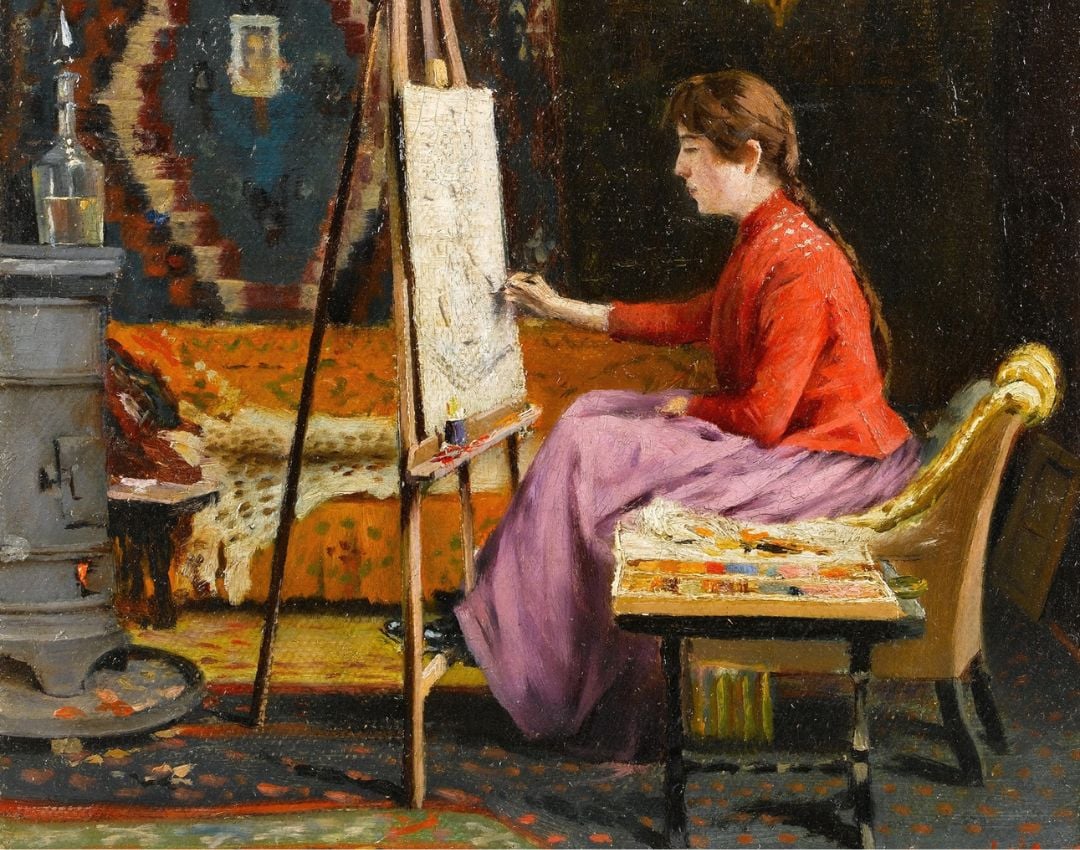

Many of us dream of endless hours in the studio, but the reality is that life often gives us only short windows of time to paint. The good news? You can make real progress in just 30 minutes—if you approach your painting session with intention.
Here are five key things to focus on when your painting time is limited. And to be honest, you might get more accomplished with very limited time than if you had all the time in the world. Because when we have fixed time slots we tend to focus better and use our time much more wisely.
1. Create a Clear and Organized Space
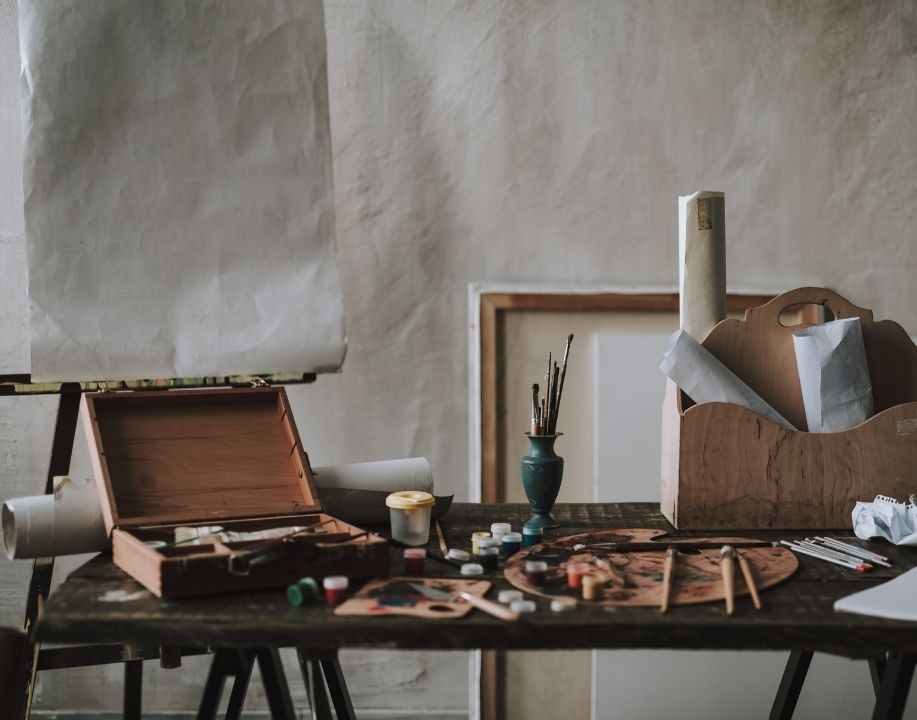
Whether you have a dedicated studio or just a corner of a room, the way you organize your supplies will directly impact how much you can accomplish in short sessions. Keep brushes, paints, and palettes clean and ready to use so you can set up quickly and avoid wasting precious minutes. When everything has its place, you’ll have fewer excuses to skip painting and more energy to dive right in.
I know many who don’t have a dedicated studio space might need to set up an easel at the start of a painting session and then put it away at the end. This can certainly take time. However, make sure that your easel makes it simple and easy for you to set up and put away. This way you will have less excuses for not diving right into a painting session.
2. Go into Each Session with a Clear Plan
One of the biggest time-wasters is standing in front of your easel wondering, “What should I do next?” Instead, end each painting session by jotting down a few notes about what needs to be adjusted, fixed, or worked on. Then, when you return for your next 30-minute block, you can start painting immediately with purpose and direction.
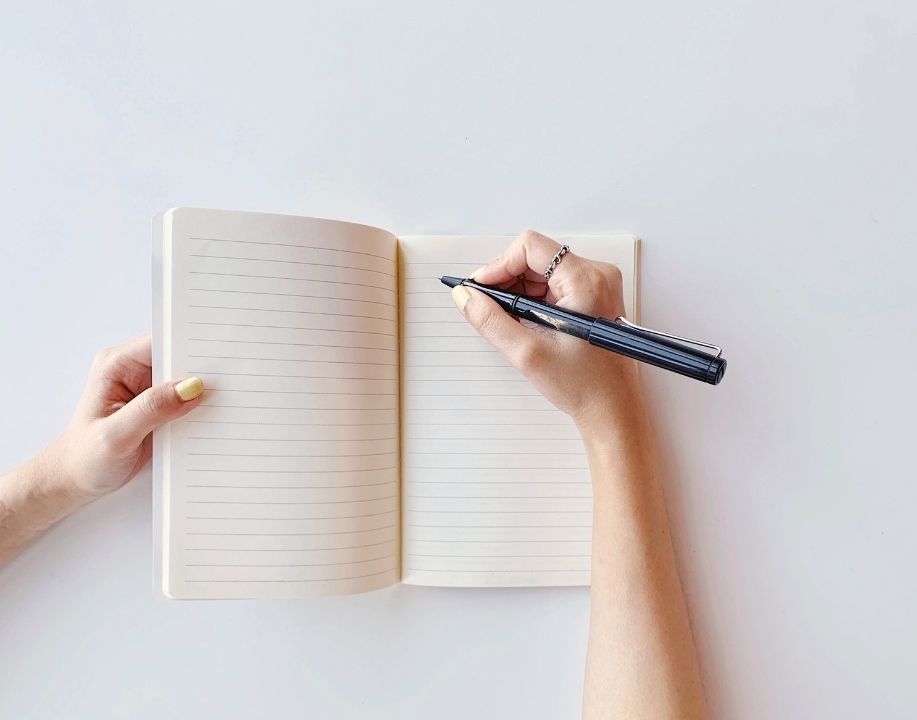
Notes of your painting process
It is quite remarkable how clear the next direction can be at the end of a session, but then if we don’t jot it down then we lose that clarity. So, just taking a quick moment to write a word or two about what your next step is will really save you a lot of time in the long run. Plus, you will end up creating a little mini diary of your painting process!
3. Focus on the Big Picture, Not Details
It’s easy to get caught up in refining small areas of your painting—but when you only have half an hour, details will slow you down. It is always important to focus on the big picture over the small details when it comes to painting – but especially important with limited time. Use your limited time to address the larger shapes, values, and color relationships.
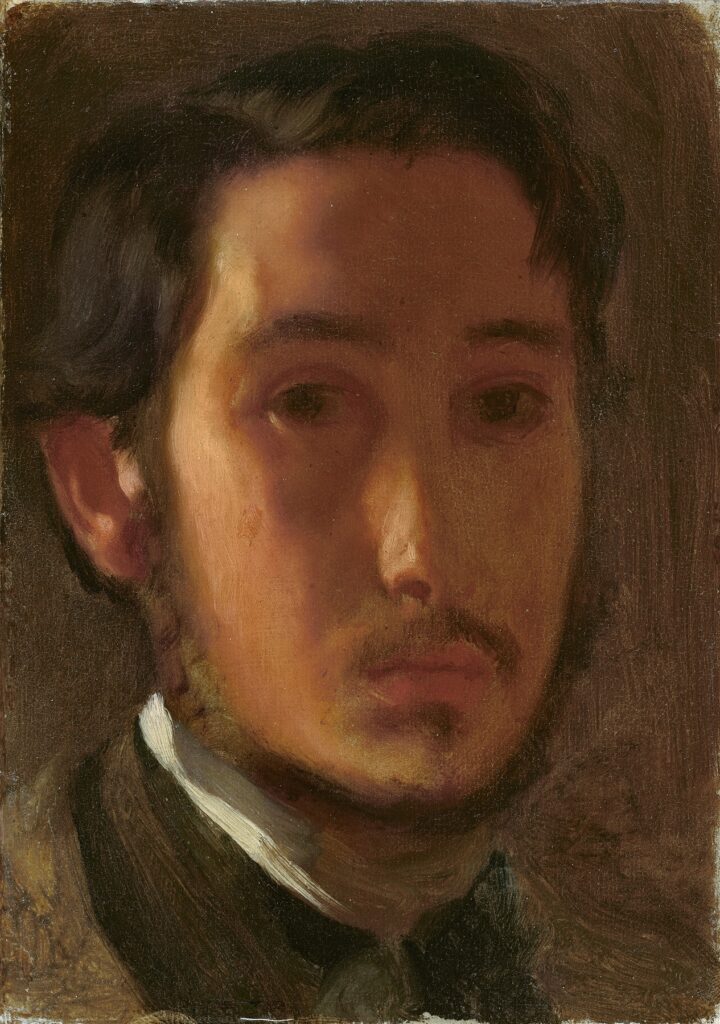
Of course, there’s always room for detail
This “big picture” focus will strengthen the overall painting, and you can always refine details later. Because when you have a solid base in your painting, then it will work to get more detailed and granular in your painting – even if it is done in just 30 minutes at a time.
4. Keep the Fundamentals Close
When you’re working under time pressure, it’s tempting to rush and lose sight of the foundations of good painting. Instead, let the fundamentals—composition, value, color, and edges—be your guide. Critiquing your own work through these core principles ensures that every short session moves your painting forward in a meaningful way.
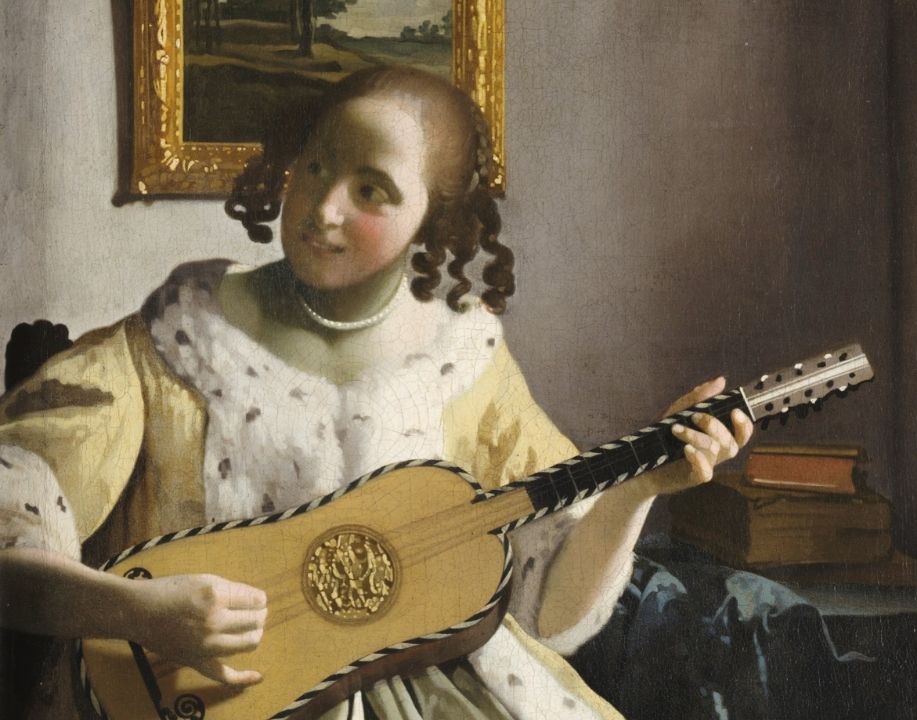
The fundamentals are vital in long painting sessions—but with limited time, their importance is amplified even more.
5. Work in Layers and Build Momentum
Don’t try to complete one section fully before moving on. Instead, think in terms of layers or broad blocks. Each 30-minute session is just one layer in the larger process. By approaching your painting this way, you’ll create steady progress and avoid the frustration of feeling “stuck.” Over time, these small but consistent efforts build into completed, cohesive works.
Final Thoughts
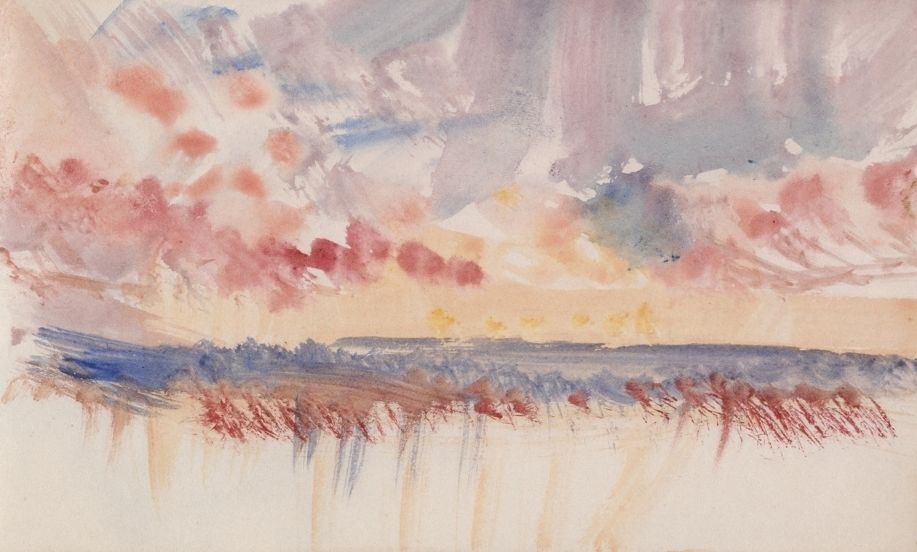
I once heard a story of a man who had a very demanding full time job and his only time to create art was very early in the morning at 5 before heading into work. He would spend 20 minutes creating small landscape paintings every morning. Though he had very limited time – his efforts paid off massively. He was able to create a body of work and his paintings even started to gain the attention of leading artists.
So don’t think of limited time as a setback—it’s an opportunity to sharpen your focus and build consistency. It is FAR better to work in small chunks of time regularly than to work in very long but sporadic sessions. By organizing your space, planning ahead, prioritizing fundamentals, and working in layers, you can really make the most of each session.
Even short bursts of painting add up, and with the right mindset, you’ll find yourself steadily growing and developing!


8 thoughts on “5 Tips for Better Painting Sessions—When You Have Limited Time”
Thanks sets a direction
You are very welcome!
Thanks Elizabeth: This is excellent advice even if you have plenty of time.
Glad to hear that, thank you for your kind words!
Thank you, for the article, this one fit to my situation very well. I just have to confirm that in the morninig I have the best concentration hours. I thin to my retirement in about 5 mounts but I should do something before that term
You are very welcome Valentin! Time can be such a struggle. Morning does provide some of the best concentration hours – this is also when I paint. Hope you can set aside good time for yourself for painting.
Thank you…needed to hear this today.
Very glad to hear that, you are so welcome!