
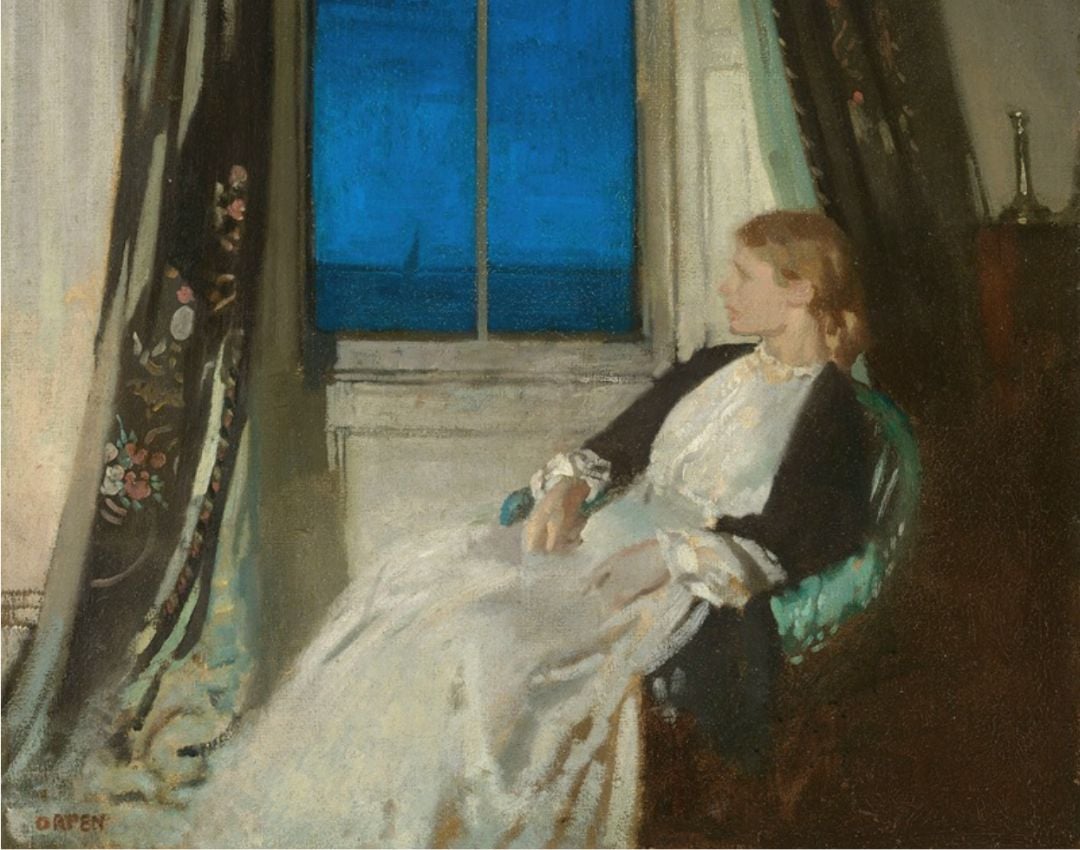

The most important and impressionable stage of a painting is the beginning. It is at this stage that you are building the foundation of the painting — something that everything else that comes after will be built on top of.
What you lay down will literally influence the decisions that you make afterwards. When we see a particular color it influences tremendously what we decide to put on top of it or next to it. Likewise, how light or dark something is in value will also influence the decisions we make.
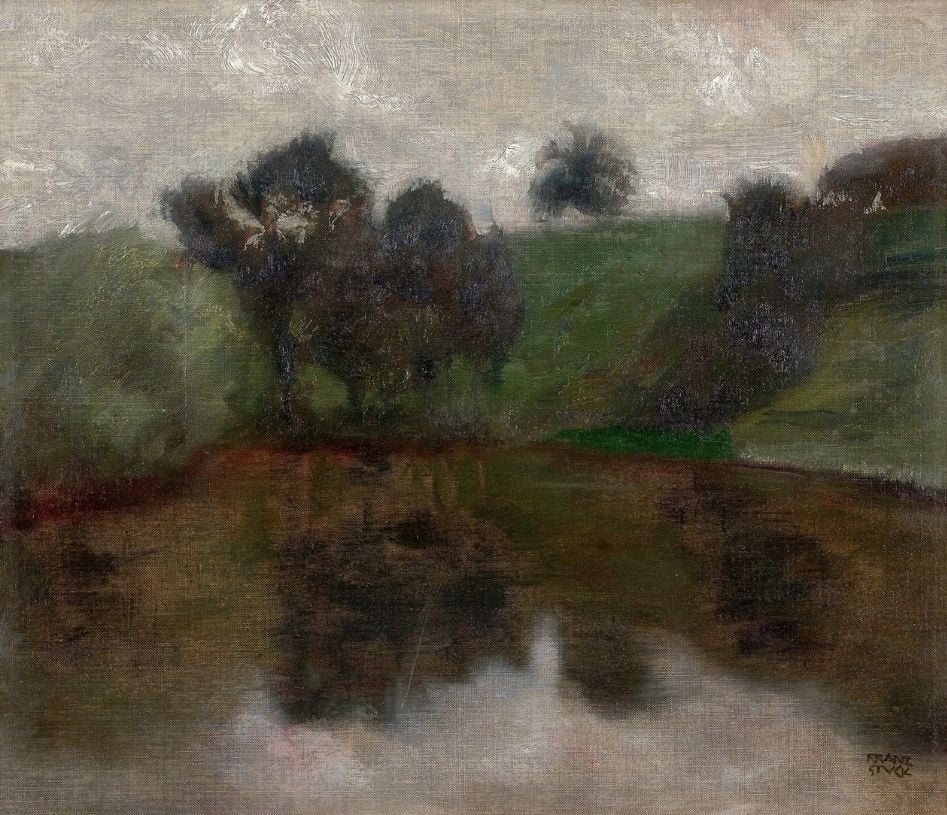
So it is really important that we make clear, strong decisions right from the start when beginning a painting. The more clear you are about color and value from the beginning, the more fluid and easier the rest of the painting process will be.
But how do we actually do that?
Here I will show how you can make stronger decisions at each stage of the painting process.
Underpainting
First off, making an imprimatura when beginning a painting is absolutely necessary. As already mentioned, the values and colors at the base of a painting influence every decision we make afterwards. Because of that, we do not want to start with the stark white of the canvas.
Imprimatura
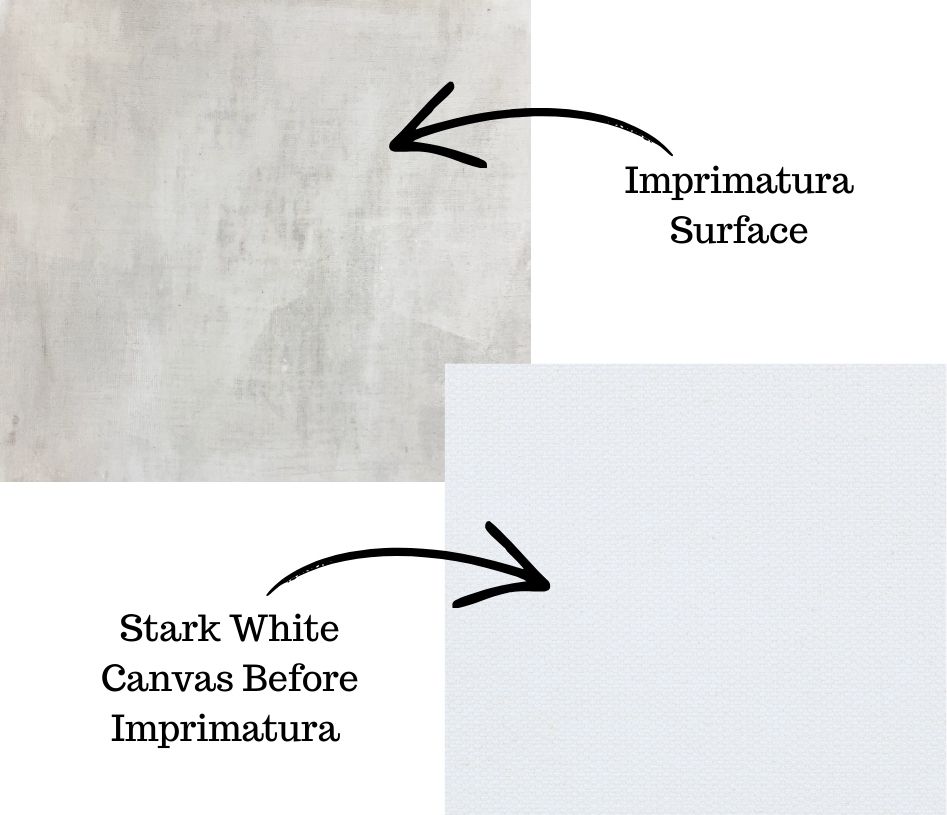
You need to break that up and apply a toned ground to your painting surface. If you leave the canvas bright white, the values you apply will almost always end up too light, because you are comparing everything you mix to the bright white surface. Once you apply a toned ground, you will be able to make much better judgments about the beginning values you apply.
Value Sketch
Speaking of values — once you have your imprimatura down, you will want to make a value sketch or “underpainting”.
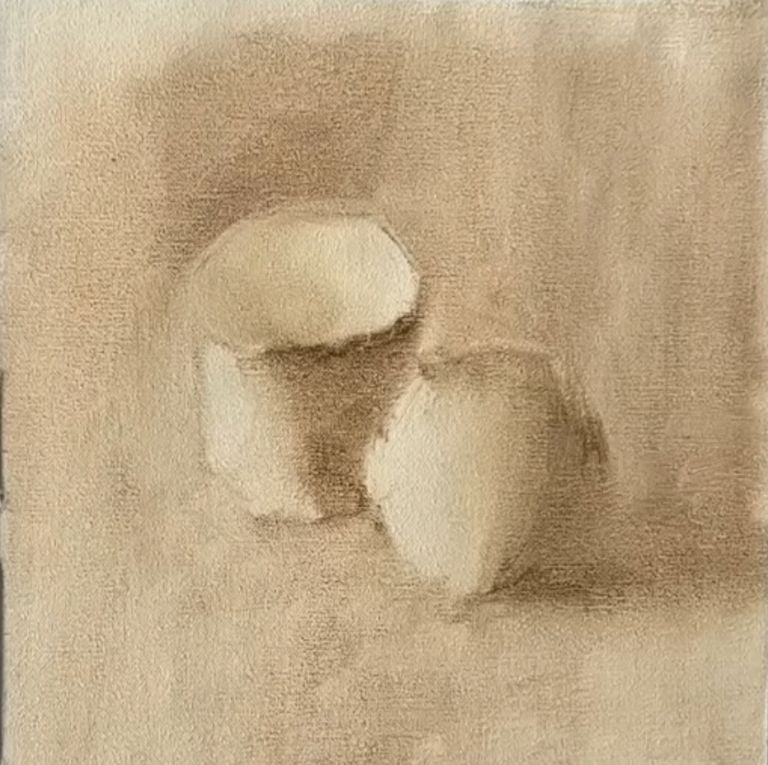
Here I use the same color as the imprimatura (I prefer ultramarine blue mixed with burnt umber), but dilute the paint a great deal and make a very thin value sketch of the subject. Paint in the darker values and wipe away paint where the light values are.
I typically just use linseed oil for this stage and use a rag to wipe away the light areas, and a large brush to paint in the darker areas.
This simplifies the process of figuring out values in your painting a great deal. Once you begin working with color it becomes much more complicated to judge values. But if you already have a basic structure of light and dark on the canvas, then figuring out values in color becomes much easier.
Beginning a Painting with Large Shapes of Color
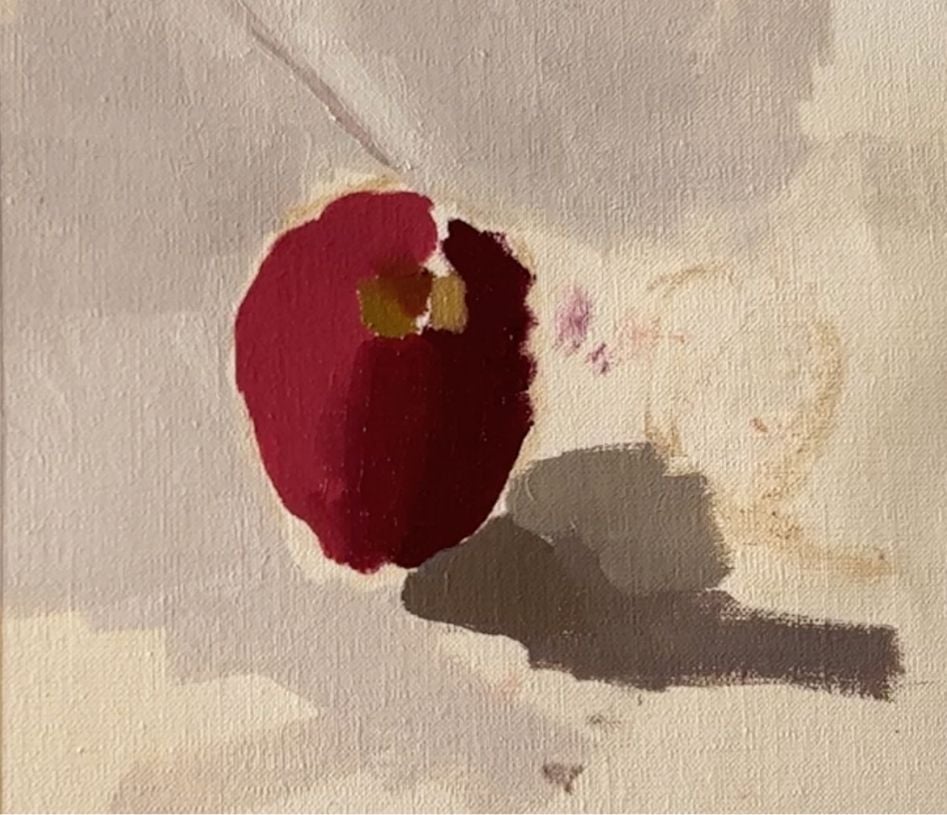
Once the values are clear and established, you can move on to making large spots of color.
This doesn’t mean that you will be limited to simplified painting — quite the opposite. The better groundwork you create for yourself, the further you will be able to take your painting.
Making large simplified color spots that summarize both the value and color of an area provides excellent groundwork for later breaking that color down into more specific areas.
Capturing Overall Values in Color Spots
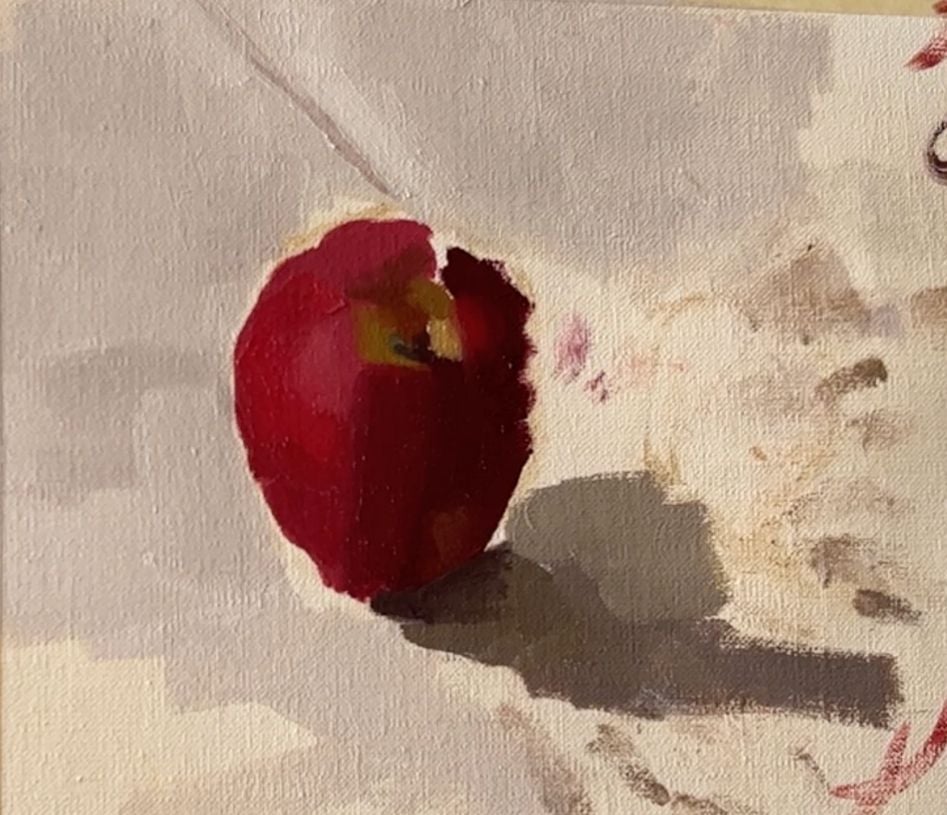
Interestingly, it is often more difficult for us to paint large shapes of color than it is to chase after detail. But when we think in terms of larger areas of color we are able to capture the overall impression of the subject with much greater intention and accuracy.
These large spots of color also serve as a guide as the painting develops. Because of them, we know how to work with the color and what direction to take it in as we break the painting down into smaller and more specific areas.
Keep Your Painting Open
What does it mean to keep a painting open?
It may sound a little abstract, but it really isn’t. And I cannot overstate how important this is in the early stages of a painting.
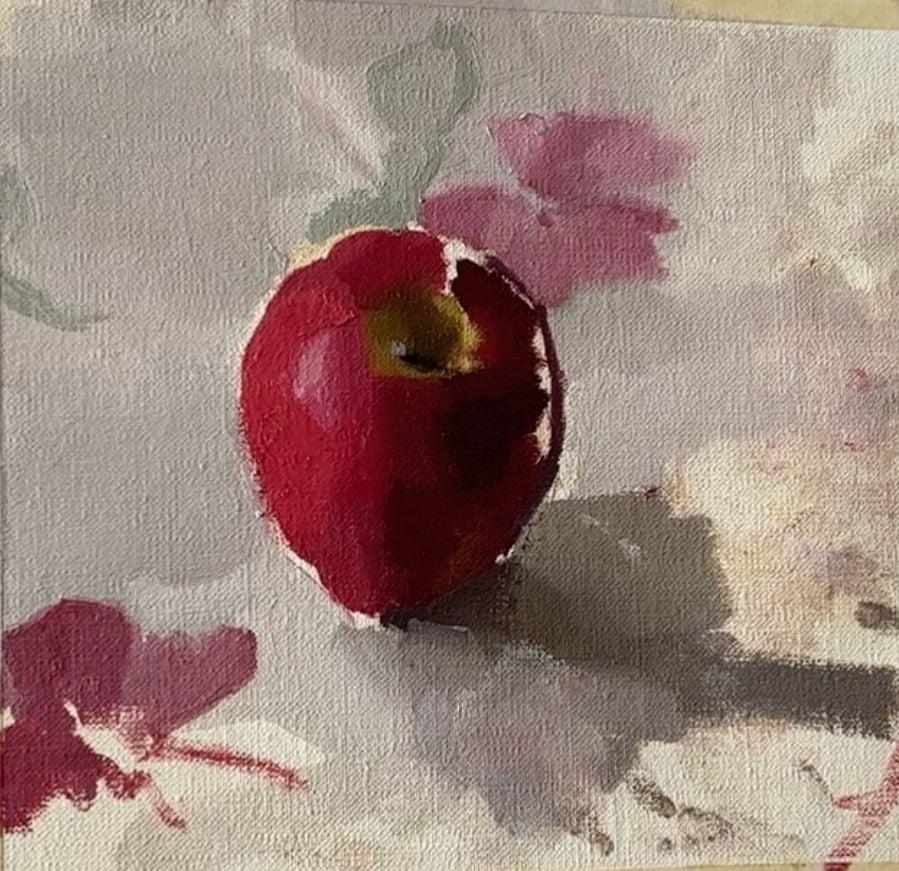
I have ruined many paintings by “closing them up” too soon. This usually happens when we try to finish the painting prematurely. The result is a painting that looks overworked.
This is another reason why those large spots of color are so important. They allow you to establish the big picture of light and dark in color, which helps maintain a strong sense of light even after you move beyond the underpainting stage.
Holding on to Big Picture Values
As you begin to break colors down into smaller areas, it becomes much easier to lose that big picture of light and dark values. But it is incredibly important that you hold onto it.
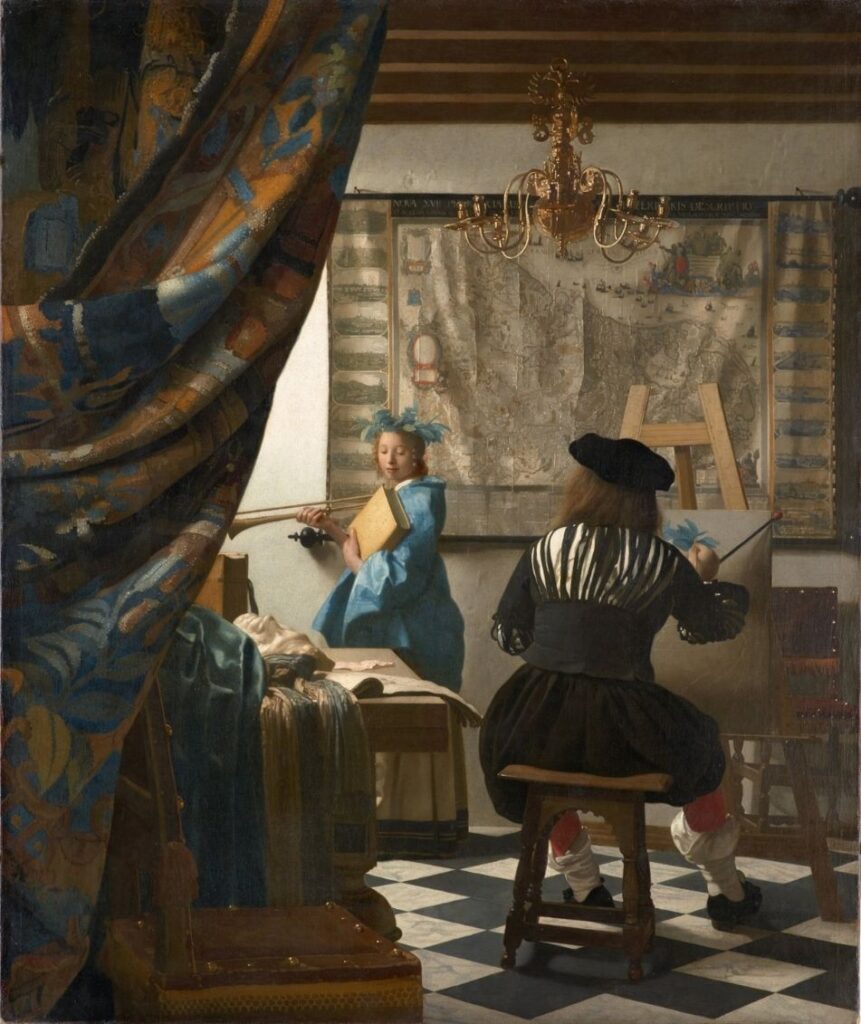
The successful Old Master paintings we admire were able to maintain this sense of overall light structure throughout the entire painting process.
It can help to remind yourself of the big picture as you work. One of my teachers would always make a small thumbnail sketch and place it next to her easel so she wouldn’t lose track of the big picture values while painting.
How to Maintain Big Picture Values
You can also step back from your painting regularly, squint at your subject, and compare what you see to your painting. Does your painting still have that strong impact of light and dark values?
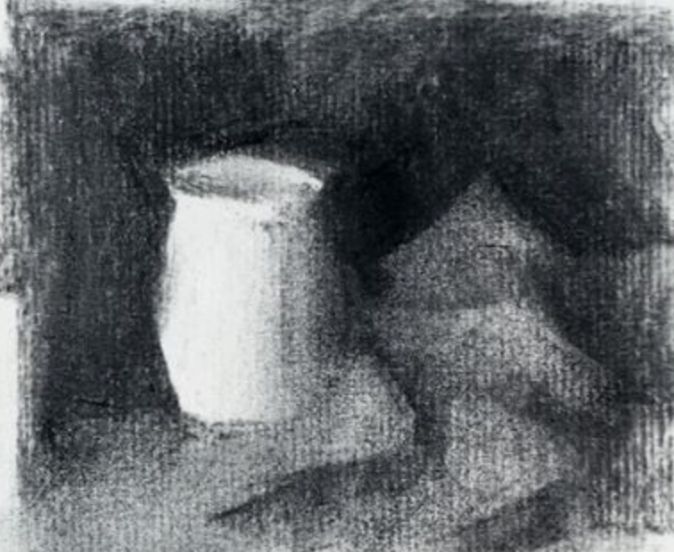
And don’t be afraid to scrape away areas that have become too muddled with detail. When that happens, return the painting back to the big picture values.
Holding onto those larger value relationships does not prevent you from finishing a painting to a high level. In fact, it is exactly what allows you to get there.
Applying This to Your Own Work
Don’t underestimate beginnings.
Just as in our own lives — where childhood experiences shape us in profound ways — the early decisions in a painting shape how the entire work develops.
This is exactly why, in my own training, there was a strong emphasis on making many, many beginnings. Over time I learned how to move beyond that stage, but focusing on good starts laid the groundwork for everything that came later.
When you learn to make strong beginnings, the rest of the painting process starts to fall into place.

16 thoughts on “The Most Important Decisions Happen Early in a Painting”
Thank you. I noticed in Eugène Delacroix journal entry for 8 Feb., 1850, where he wrote, “When one is beginning to work out the scale of a picture, it would be a good idea to settle on some light object in which the tones and value were exactly taken from nature, a handkerchief, for instance, or a piece of material.” It seems that this relates, in some significant way to your article, but it’s difficult for me to be confident of what he meant. But I mention it as a curiosity.
Ah that is a beautiful note that he made there. Thank you for sharing. Yes, that does relate in a significant way. As it really is important in the beginning stage to get accurate true values in ones subject – just as he talks about. Perhaps he meant this as well but I would take it a step further by finding an area where you have a light value, medium value and dark value intersecting together.
Loved this – for painting anything apart from Watercolour. What would you suggest for that?
I think for watercolor a lot of the decisions happen before one even sets paint on paper. Oil and acrylic allow one to work things out as one paints much more so than watercolor. So, I would have a very clear idea of the values in your subject with watercolor before you start. One could even do a small little thumbnail sketch in charcoal or pencil if it is tricky to work out. But still, the same procedure would apply as does for oils etc – as you would work value first when initially applying paint with a watercolor painting in the beginning. I hope that helps! 🙏
Learn a lot from your posts. Thank you.
So glad to hear that! 🙏
I love the concept and practice of your begining stages of painting, I would have liked to see the stages of the same painting at each stage.
Oh yes, apologies that they all aren’t of the same painting – I was not able to get the underpainting stage of my apple painting as didn’t have record of it unfortunately!
Hello Elisabeth!
I always appreciate your videos and articles, for their wisdom and hints toward bettering my art.
With this theme, however, I came to think of my way of starting a painting, which is based on not knowing what I’m going to paint.
I usually start by adding a random mixture of colour fields, strokes and lines and sit down to challenge my perception of what could be a possible continuation of the painting process. Sometimes in an abstract way and more often into something that conveys an existential idea or theme.
Every new clarification adds to the next and is validated from an intuitive feeling of what would be meaningful from both an existential level and making the painting into a coherent expression.
I made a video last year about the evolution of one of my paintings, that illustrates my way of working. You can watch it here:
https://www.youtube.com/watch?v=aYHBBHhWZZ8
So, I wonder if you have any ideas around how this way of working could be more anchored in known artistic principles to make my process more stable and less floating in temporary anxiety between my moments of clarity?
Or maybe this is part of the creative process; a space of not knowing, in order to open up for what intuitively ”wants” to evolve into a work of art?
Warmly
Lars
Hello Lars,
Thank you for sharing this and for describing your process so thoughtfully!
I actually think there is something very valuable in not having a completely preconceived idea of what a painting will become. Being open to visual discovery is often essential to making a good painting. In my own work, even when painting from observation, I try to put myself in a similar mindset — simply observing what is in front of me without imposing too many preconceived ideas onto it. When we do that, we often begin to notice relationships and possibilities that we might otherwise miss.
At the same time, what ultimately gives a painting coherence are the underlying principles that are working within it — things like value structure, the organization of shapes, color relationships, and overall balance. Even when a painting begins intuitively, those elements are what allow the painting to hold together visually.
So one way to help stabilize a process like the one you describe might be to occasionally step back and look at the painting through that lens. Asking questions about the larger value structure, the rhythm of shapes, or the color relationships can help anchor the intuition without shutting down the exploratory nature of the process.
And yes, I do think some degree of uncertainty is simply part of painting. That space of not fully knowing is often where discovery happens — and in many ways that is part of what keeps painting so endlessly engaging.
I have never tried to start a painting this way. I’ve seen it but thought it was for the more experienced painters. I will try it soon! Thank you!
Glad you will give it a try! Clarifying your values in the beginning really helps enormously.
Thanks, great info!
You are so welcome!
Hello Elizabeth,
Thank you for this lesson. You introduced a couple of new ideas which I think will be helpful.
Ehaea
So glad to hear that Rhaea!