


Life is busy, and it can be hard to regularly set aside time for painting — especially since painting itself can be time consuming. However, there are ways to practice painting without having to set up all of your paints, get out your supplies, and dedicate a couple of hours in the studio.
There are things you can do to practice painting that require very minimal materials, yet will do a lot to train you to become a better painter. Painting is so much about training our minds how to see — and the more successfully we do that, the greater strides we will make once we are able to spend time with our paints in the studio.
In this article is a collection of tips and methods you can apply to your own painting practice when time is short. Whether that means you are on vacation and away from your studio, or perhaps simply juggling a lot of commitments that prevent you from painting as often as you would like.
Study What You See
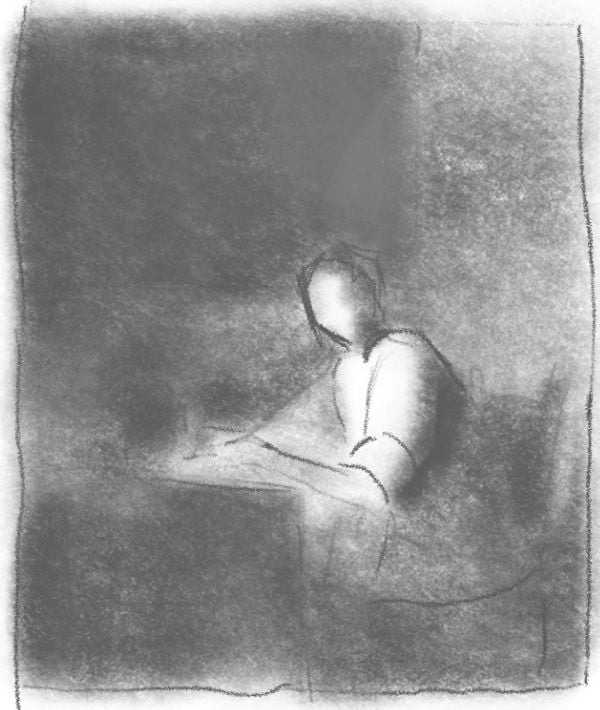
We are constantly seeing and looking at things, but rarely do we truly analyze what we see — unless we are actively painting. However, practicing visual analysis during those spare moments throughout the day can do a LOT to improve your painting overall.
Like I mentioned earlier, learning how to paint is largely about learning how to see. And that happens through actively analyzing what we are looking at. The good news is that you can practice this without actually painting.
But what does this mean in practical terms?
Let’s say you spot an apple sitting on your kitchen counter. Notice how the light is hitting the right side of the apple, while the left side falls into shadow. Study how dark the shadow area is compared to the cast shadow beside it. Then compare the value of the lit side of the apple to the tabletop. Are they actually as different as you initially assumed?
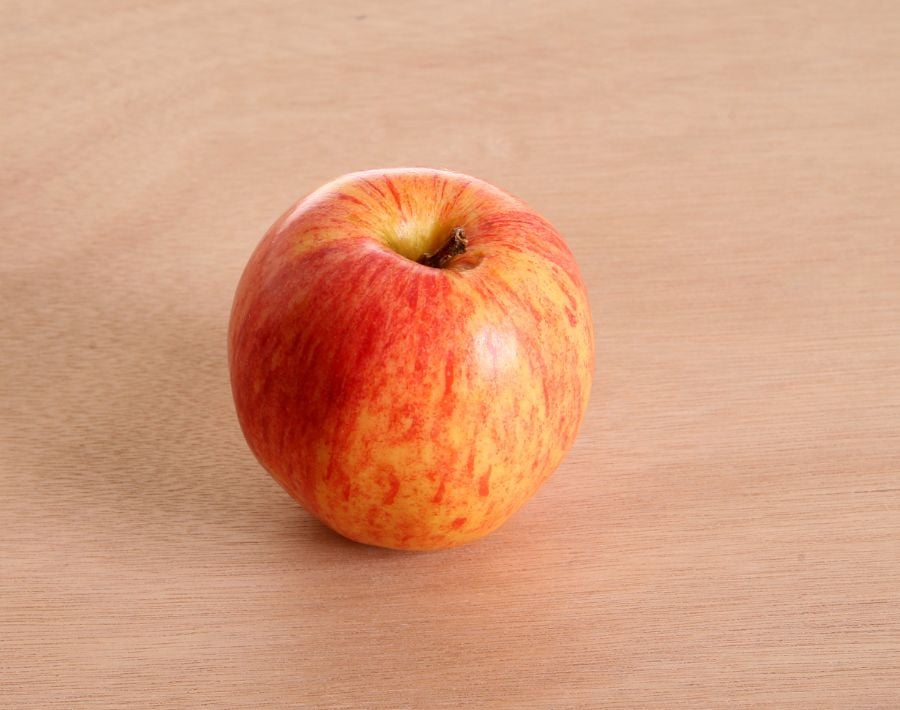
Doing these kinds of comparisons helps train your brain to naturally analyze value relationships.
Then do the same thing with color. What colors would you mix to create the dark red shadow area of the apple? What about the color of the table surface behind it?
This kind of thinking helps you become more fluid with color mixing, while also encouraging you to think beyond obvious color choices. Over time, you may find yourself instinctively listing colors in your mind that could be used to mix a particular area.
The more often you practice visually analyzing the world around you, the more naturally this way of seeing begins to happen.
And the best part is that this can be done almost anywhere — while waiting for an appointment, eating by yourself in the kitchen, sitting in a café, or simply enjoying a walk outdoors.
Make Thumbnail Composition Sketches
Keep a small sketchbook with you so that you can quickly make thumbnail composition sketches.
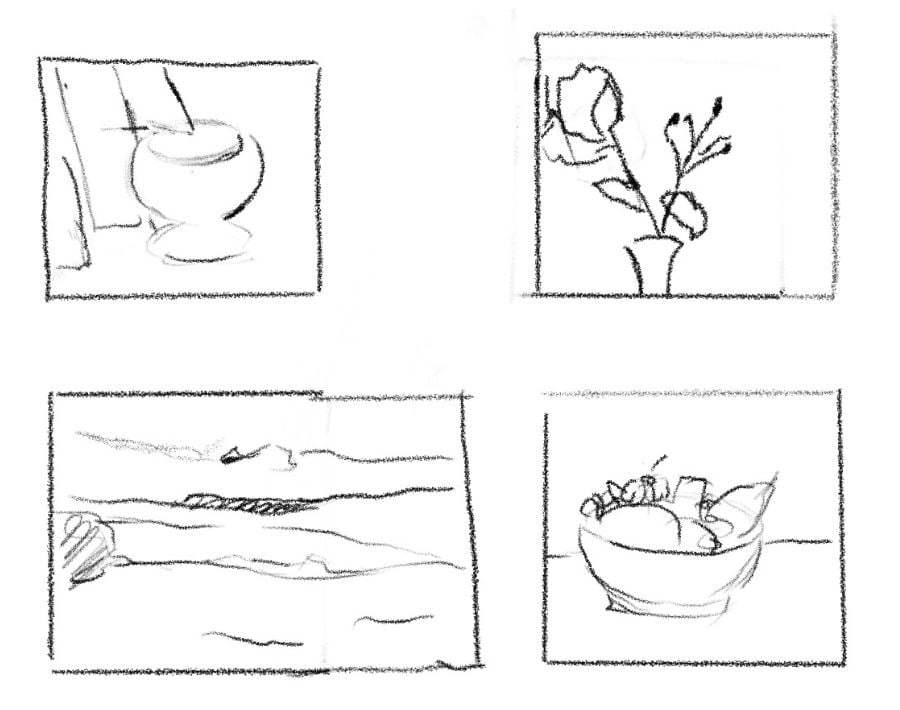
I once heard an artist share how simply making small composition thumbnails helped develop her eye tremendously, even during a season of life when she had very little time to paint because she was raising five children.
These small sketches are not about creating impressive drawings. They are mental exercises designed to help you think about composition.
Again, use the surroundings around you during those spare moments you might have. Look for an interesting arrangement of light and dark shapes and turn it into a compelling composition.
And it is completely ok if your first attempts feel weak. That is actually helpful information — it reveals what you need to work on and what areas deserve more study.
You can also browse through master paintings and study how great artists arranged their compositions. Then apply those ideas to your own thumbnail sketches. You could even make small compositional studies directly from old master paintings.
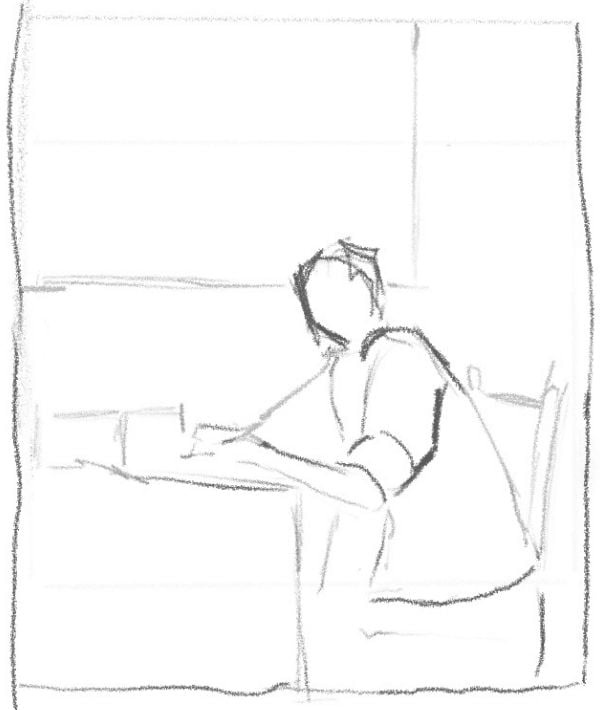
Composition is incredibly important. You can have a strong understanding of value and color, but if the composition is lacking, the painting often will not reach its full potential.
Make Value Sketches
Just like thumbnail composition sketches are helpful, value sketches are incredibly important as well — and of course, closely connected to composition.
Doing value sketches of old master paintings is a great way to learn how to practice painting. It allows you to understand how to simplify better and make clear light and dark values.
This is perhaps one of the most impactful practices out of everything featured here. Developing your understanding of light and dark values is one of the single most important things you can do to improve every other area of your painting.
Using graphite or charcoal, quickly block in the darkest, lightest, and middle value areas. Force yourself to simplify what you see into large, clear value groupings.
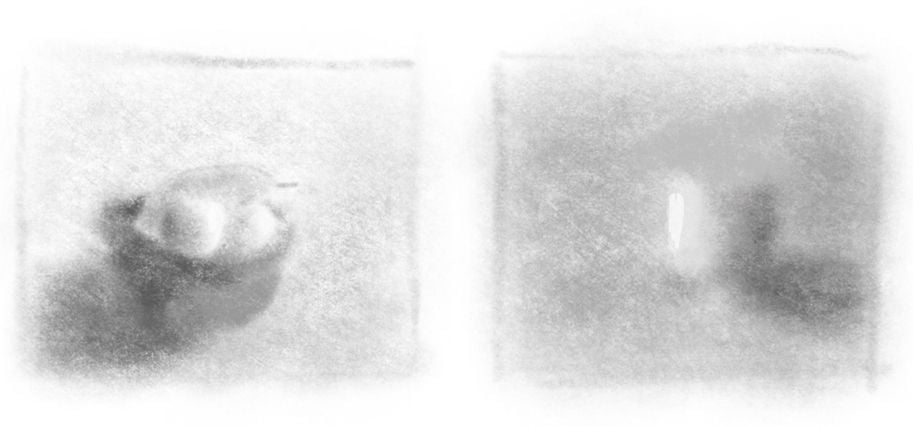
Remember — these are meant to be quick sketches done during small spare moments throughout your day. They are exercises in seeing, not finished drawings.
And if carrying a sketchbook everywhere is unrealistic, you can always use a digital option. The Procreate Pocket app for iPhone (no affiliation) can work wonderfully for quick visual studies on the go. And if you do not use an iPhone, there are plenty of alternative sketching apps available as well.
Visual Memorization
Another practice that helps build your visual analytical skills is visual memory training. I first encountered this idea while reading Leonardo da Vinci’s treatise on painting, where he strongly recommended studying and memorizing the contours of your subject, then drawing them again from memory. Study something carefully, then close your eyes, visualize it, and try to draw it out. Don’t worry if your first attempts feel like complete failures — that is exactly why you are practicing it. It is simply a skill that you are building over time.
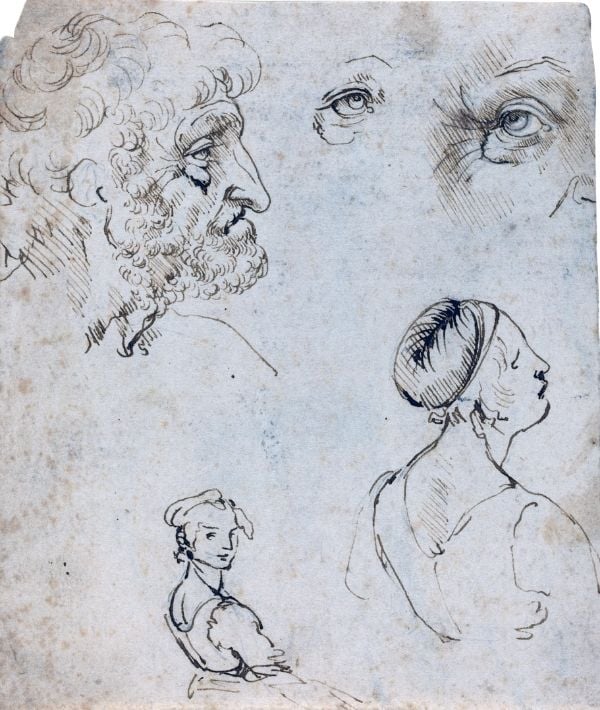
What this exercise does is reveal how little we often truly observe. As you attempt to draw something from memory, you quickly realize how much visual information you failed to notice. In turn, this trains you to become a much more attentive observer of the visual world around you. And of course, it also strengthens your ability to visually analyze and memorize what you see.
Learn to Paint Even Without Paints
The important thing to remember is that becoming a better painter does not only happen while standing in front of an easel. Some of the most important growth happens quietly — through observation, analysis, and training yourself to truly see. Even just a few intentional minutes throughout the day can slowly transform the way you paint.
The vast majority of our time is, of course, spent away from our paints and materials. Why not use that time to engage more deeply with the visual world around you? The better you learn to see, the more it will impact your growth as a painter.

16 thoughts on “The Best Way to Practice Painting Without Much Time”
Elizabeth,
I’ve been following your You Tube tutorials, Color Mixing/Theory guides, etc., for several weeks now and have truly appreciated your approach to painting… Especially your focus on values and composition. It’s been decades since I’ve touched a paintbrush to canvas (started out as a Fine Arts Major and switched to Architecture and Structural Engineering). Now that I’m a retiree, I look forward to painting again with your resource material as my guide.
Jeannette B.
Am so glad to hear that you have been enjoying my youtube videos and that they have been helpful. Thank you for sharing that! Also very glad that you are coming back to the world of fine art now that you are a retiree.
Thank you Elizabeth for your insight to art. I think learning to see whats really there rather than what our imagination tells us was the biggest step forward on my journey. My imagination is still waiting to trip me up but at least I know when its getting the better of me. Happy Painting – Paul
You are so welcome Paul! 🙏 That is one of the biggest hurdles – am glad that you have been able to get there in your learning journey. It makes such a huge difference…
Excellent advise, I carry a small sketch book every where. I practice sketching objects on a table while at a fine dinning restaurant or at a Waffle House. When I finish I give the server my signed sketch with the gratuity, “its amazing at the grateful response I get…it’s inspiring”!
That is very fun you do that! Am sure it is an incredibly unexpected and fun surprise.
Fantastic idea. I carry my phone wherever I go, why not a little sketchpad too? When I’m just waiting somewhere, much better to observe and sketch instead of doomscrolling on my phone!
YES! Sketching is so much better than doomscrolling – something I could get better at practicing myself…
Thank you Elisabeth. I have been feeling frustrated that I can’t seem to find the time to paint. This could just get me out of that rut!
You are so welcome Susan! These things really will help you to get out of that rut – it has personally helped me a lot.
Very interesting for me this theme thank you, I think of trying painting but I am quite far for this the most of time,
I will keep in mind.
Glad this is helpful Valentin!
These are such good suggestions. So easy to accomplish in a short time and yet continue growing as an artist and painter. Thank you so much! 😊
You are so welcome! That is what I wanted this article to give – as there are SO many ways to grow significantly in the short bits of time that we might have.
What a practical list of suggestions! Thank you!
You are so welcome! Glad it is helpful 🙏