
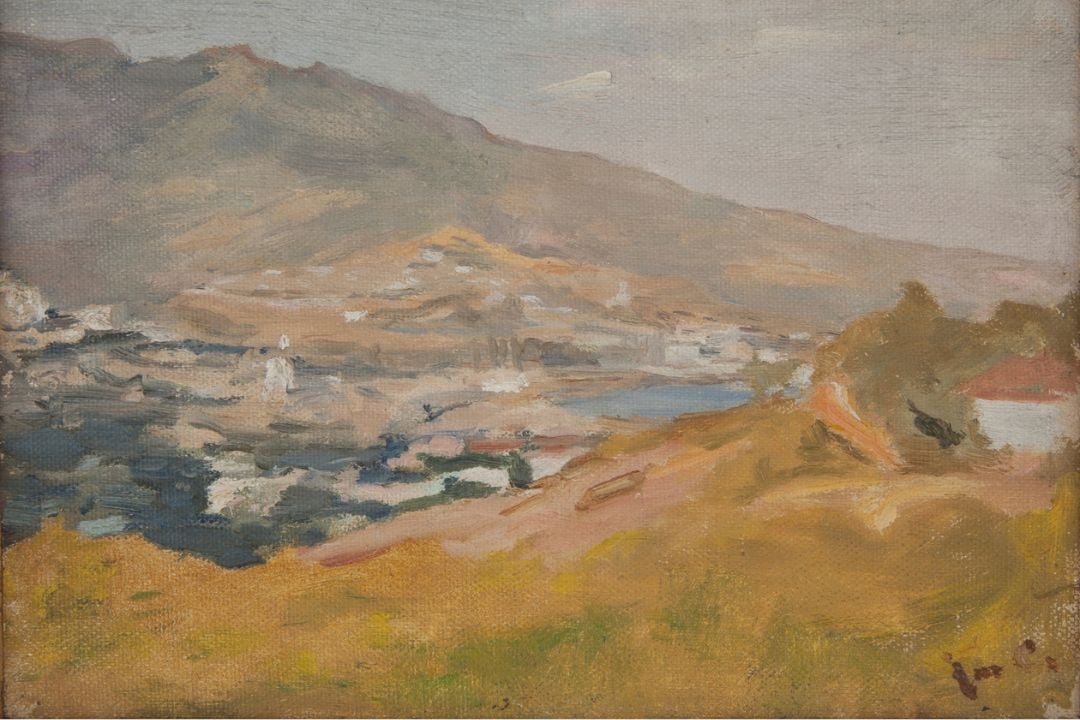

Painting loosely can be one of the most freeing and invigorating ways to approach your work. But what does it really mean to “paint loose”? And how can you bring some of this looseness to your own work?
In this article, we’ll break down what painting loosely actually is, look at some examples, explore the benefits, and share practical tips to help you loosen up your brushwork and avoid getting stuck in detail.
What Does It Mean to Paint Loose?
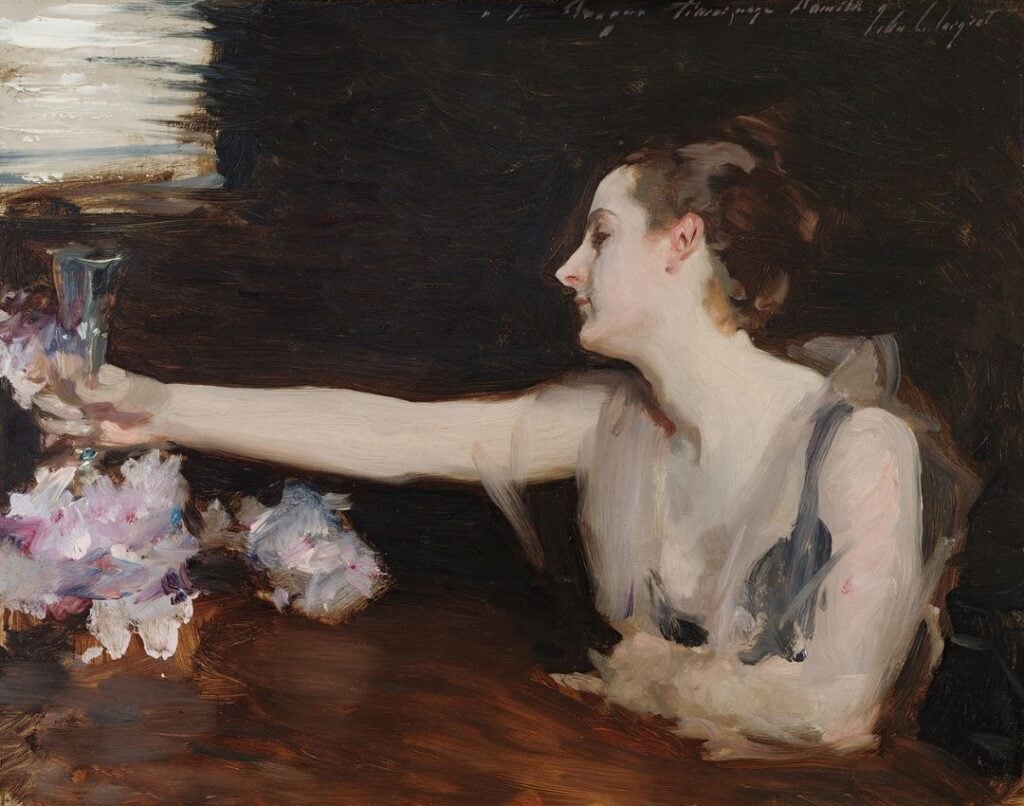
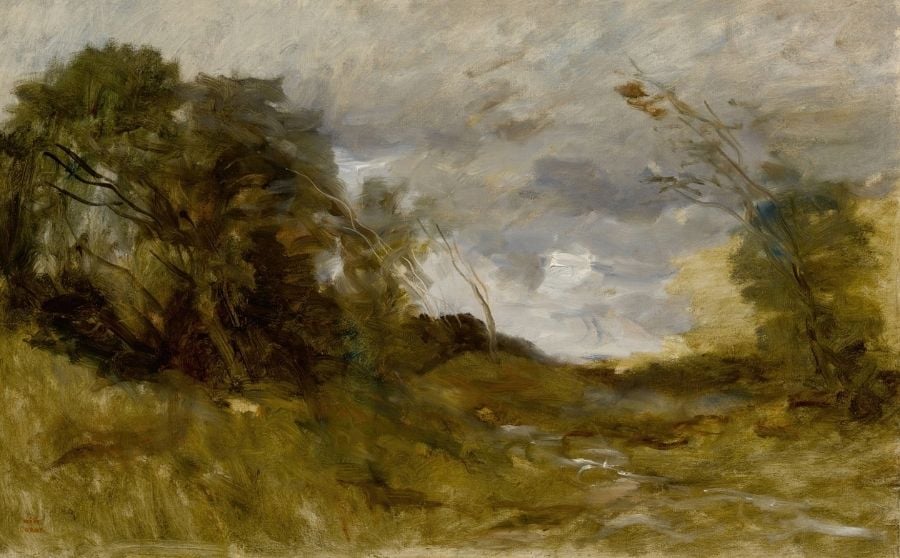
Painting loosely is about focusing on the big shapes of light and color rather than meticulously describing every single detail. It means capturing the overall impression of your subject instead of getting lost in tiny refinements.
At its core, painting loose involves two key ideas:
- Loose brushwork: Confident, broad strokes that suggest form rather than spell it out.
- Simplification: Seeing and painting large value and color masses, rather than breaking everything down into small, precise parts.
When you paint loosely, you’re more concerned with the overall effect and the feeling of the painting than with exact accuracy. It’s a wonderful antidote for those who tend to fixate on detail and overwork their paintings.
So, in order to be able to paint loosely one needs to deeply understand the core aspects of simplifying values. This includes being able to see the big large light and dark values as well as the main spots of color. This is absolutely essential – otherwise it will be very difficult to be able to paint loosely.
Examples of Loose Painting
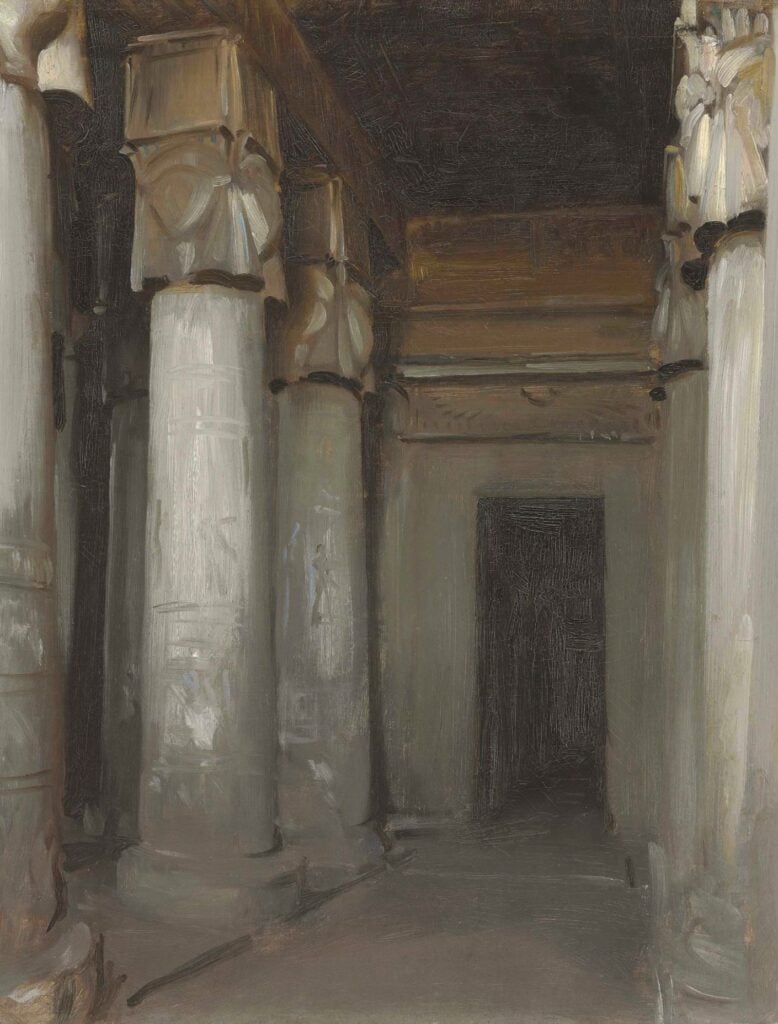
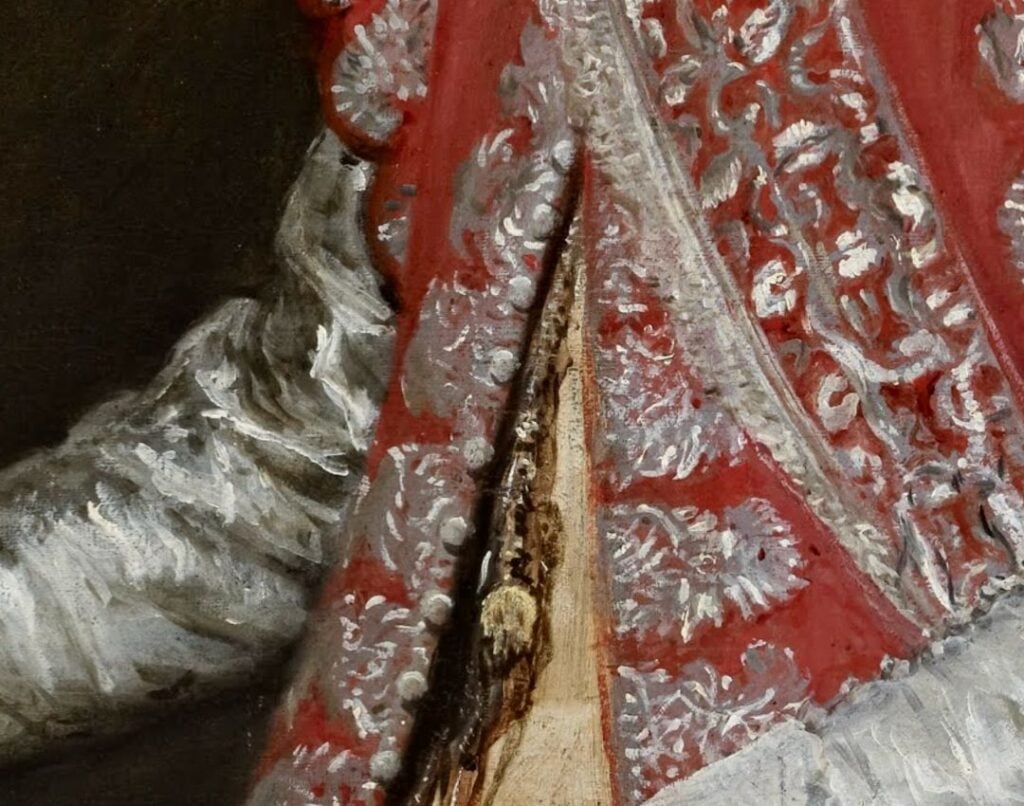
If you want to see loose painting at its finest, look no further than Diego Velázquez and John Singer Sargent.
Velázquez often “summarized” complex passages — like ornate fabrics, hair, or jewelry — with just a few broad, suggestive strokes. Up close, these areas can look abstract, but from a distance, they read perfectly.
Sargent took this even further—sometimes suggesting an entire hand or dress with a single, fluid brushstroke. His portraits feel alive and effortless precisely because he resisted the temptation to over-explain.
The Benefits of Painting Loose
- More expressive and lively paintings: Loose work often feels more energetic and full of life.
- Improved overall design: By focusing on big shapes, you create stronger compositions.
- Faster progress: You avoid getting bogged down in details too soon, allowing you to cover the whole canvas more quickly.
- More personal interpretation: Suggesting rather than describing invites the viewer to engage and imagine.
How to Start Painting Loose
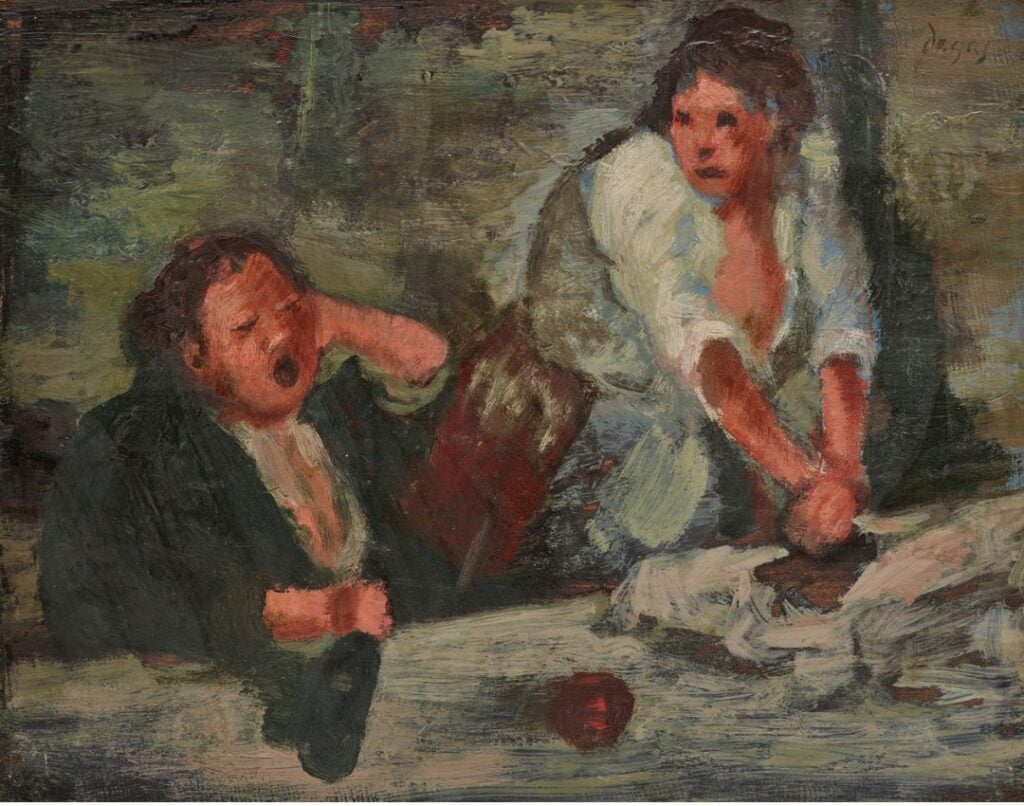
Tip 1: Lower the stakes with “experiments”
One of the biggest barriers to painting loosely is the fear of messing up. A great way to overcome this is to treat some paintings as experiments. Give yourself permission to fail. When you’re not worried about making a “masterpiece,” you automatically open up to trying new approaches and making bolder decisions.
Tip 2: Work small and paint boldly
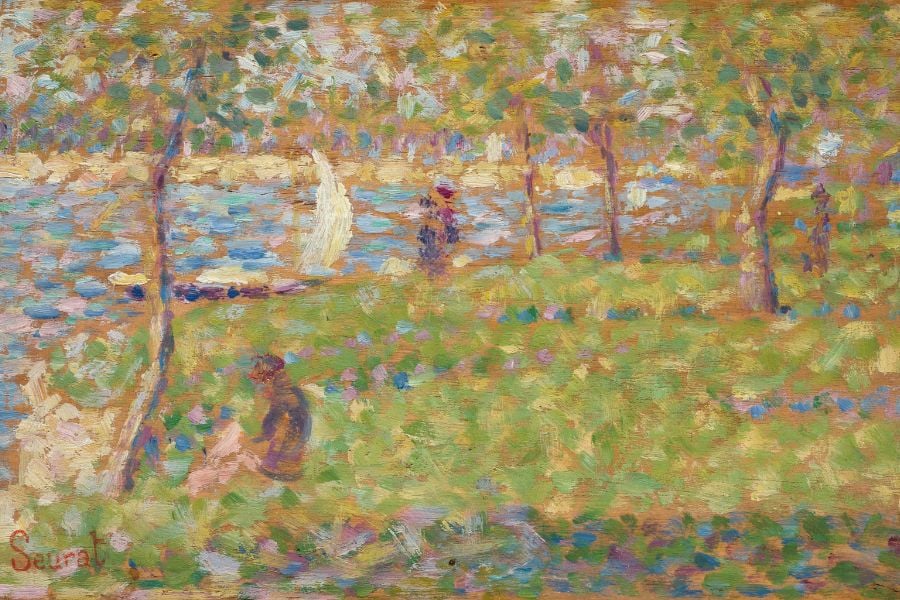
Working on a smaller scale can help you feel less intimidated and more willing to make broad strokes. Smaller surfaces encourage you to think of the painting as a quick study rather than a high-stakes final piece.
Tip 3: Focus on big shapes first
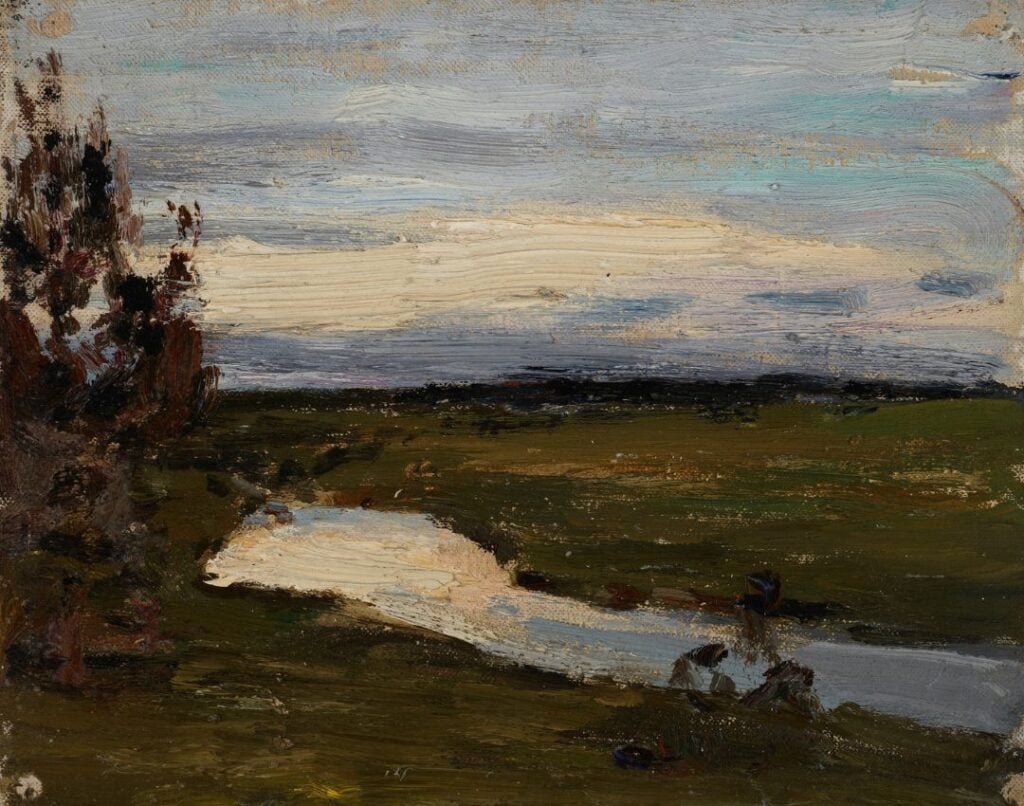
Train yourself to see your subject as simple, abstract shapes of value and color. Squinting can help you see these masses clearly and prevent you from slipping into detail too early.
Tip 4: Use bigger brushes
Using a brush that feels “too big” for the area you’re working on can be transformative. It forces you to generalize and make decisive marks, which naturally leads to a looser look.
Tip 5: Suggest rather than describe
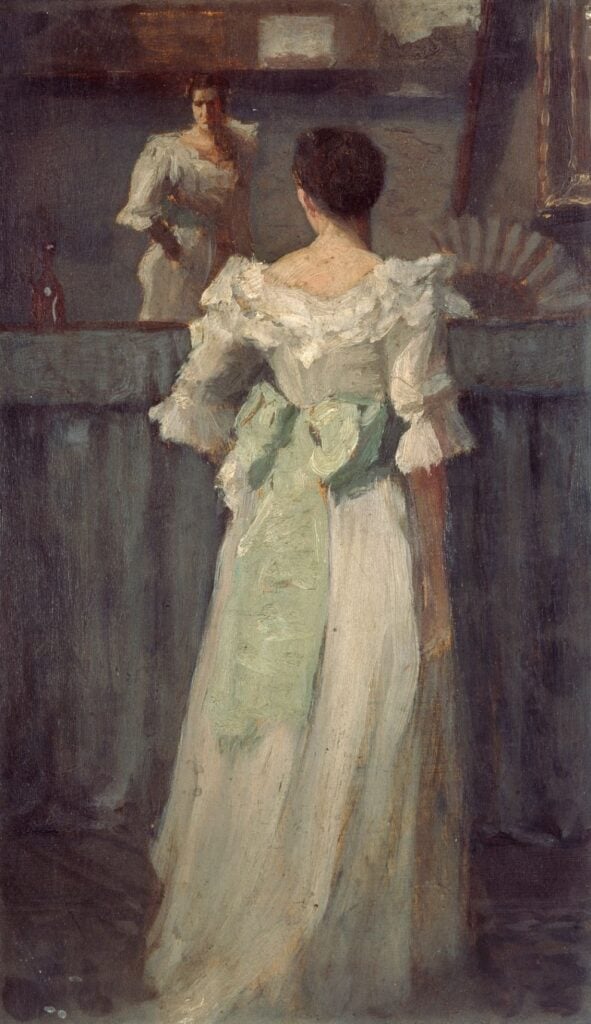
Ask yourself: What is the least amount of information I need to paint a particular area? For example, instead of painting every detail in the bow in the above painting, the artist simplified the light aand dark areas. The viewer’s mind fills in the rest.
Paint Loose in your Own Work
Loose painting is ultimately about freedom—freedom to explore, to fail, and to capture the spirit of your subject rather than every tiny detail. It may feel uncomfortable at first, especially if you’re used to focusing on details. But with practice and patience, it becomes one of the most rewarding ways to paint.
So next time you’re in the studio, try setting aside a session just for loose experiments. Grab a big brush, work small, squint often, and focus on the big picture. You might be surprised by how alive and fresh your paintings feel.
Leave me a comment below and let me know, how you’ve been able to paint more loosely, or what’s been a struggle for you?
Want to remember this? Save this guide for How to Paint Loosely to your favorite Pinterest board!

20 thoughts on “How to Paint Loose: Let Go of Detail and Capture the Big Picture”
This is so cool!
Have always wanted to loosen up my style
Is it a class? Or just free info?
Thank you
So glad you enjoyed! This is just free info 🙂 Though I do offer painting courses.
Hi Elisabeth.
Thank you so much; this was excellent especially for me as I have been having difficulty with my painting; and not been painting for a while. I will now give it another try with reading again this post. Again many thanks.
Mike
Am very happy this article was helpful for you! And glad that you will/ did give it another try again with this article. Hope your painting sessions have been fruitful and enjoyable!
Jako korisno, puno hvala
You are so welcome!
Thank you a good way to train , been watching PBS and my favorite painter paints this way. after reading this it makes more since to me .
Thanks
Mary
Glad you enjoyed this article 🙂 Thats great that your favorite painter paints this way!
Thanks so much Elizabeth
Loved your article on painting loosely which I wish I could do.
I tried your suggestion of painting on a small canvas with larger brushes and really enjoyed doing a painting in an hour instead of a month.
Thank you so much for sharing that Peter! Glad that you tried painting on a small canvas with larger brushes and that you enjoyed it! It really is refreshing to do small sized paintings with large brushes.
Thank you, Elisabeth! I love your videos and articles. I think setting aside a canvas to experiment is a great idea to give one permission to “play” with larger strokes
Yes! It is so important to play and experiment – really allows you to open up more without any sort of fear of “messing up”.
Your article on painting loosely, which I struggle with, has reached me in London UK, although I live on Vancouver Island and it has encouraged me not to give up. The idea of ‘experiments is wonderful. I was a draughtsman for many years where everything had to be precise, hence the struggle. I need to convince myself I’m no longer at work. Thanks Elizabeth
So glad you have come to this article! And that this has encouraged you not to give up. Glad you like the idea of “experiments”. It was incredibly helpful to me when it was first introduced to me – glad its helping you as well!
Thank you so much. I am going to start on loose painting with your advice. I’m looking forward to it !!
That is wonderful, So glad to hear that!
Another helpful article Elizabeth. You are a wealth of info and generous in sharing and guiding aspiring painters. Thankyou so much.
So glad this is helpful Judith! It is my pleasure to share 🙂
Great article. Thank you Elisabeth
Thank you Gillian!