


When you realize that you’ve overworked a painting, it can be one of the most frustrating moments—especially if it’s a piece you’ve invested a lot of time and effort into. There’s no “go back” or “undo” button.
So how do we prevent overworking from happening in the first place?
That’s exactly what we’re going to uncover in this article.
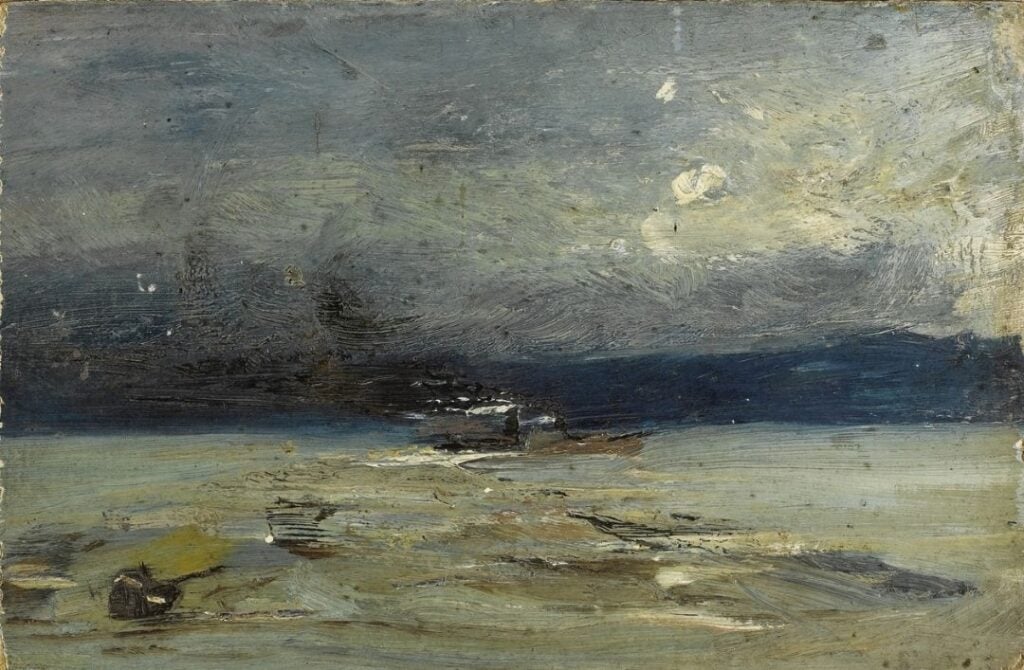
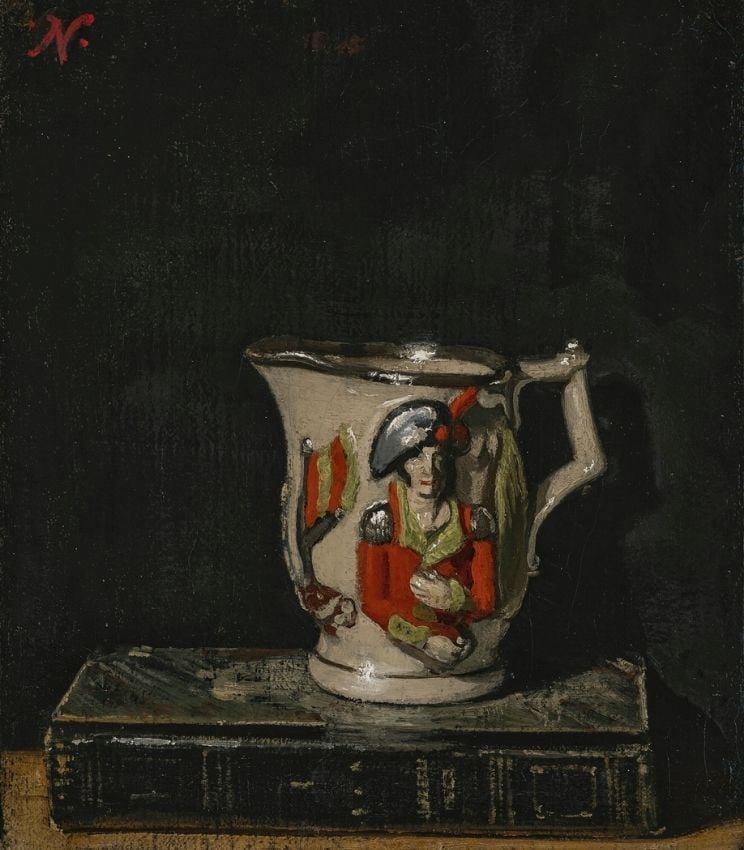
This piece is an example of how not to make overworked paintings. It has a sense of freshness to it. It is approached with a great deal of openness and curiosity. All of which lead the artist down a road of making work that is very developed and open to new directions and possibilities. If it were approached in a closed off way – then the painting would become overworked.
I can’t tell you how many times I’ve overworked paintings. It happens a lot—especially when transitioning from alla prima painting into longer, multi-session work. And honestly, it’s more of a problem if you’ve never overworked a painting. That usually means you’re not pushing yourself far enough.
So don’t get too down on yourself when it happens.
What you do need to learn is how to catch yourself before you slip into that overworked phase. This is an incredibly undervalued skill—and it can absolutely make or break a painting.
Getting Too Detailed Too Quickly
One of the fastest ways to overwork a painting is jumping into detail too soon.
This will shut your painting down quickly.
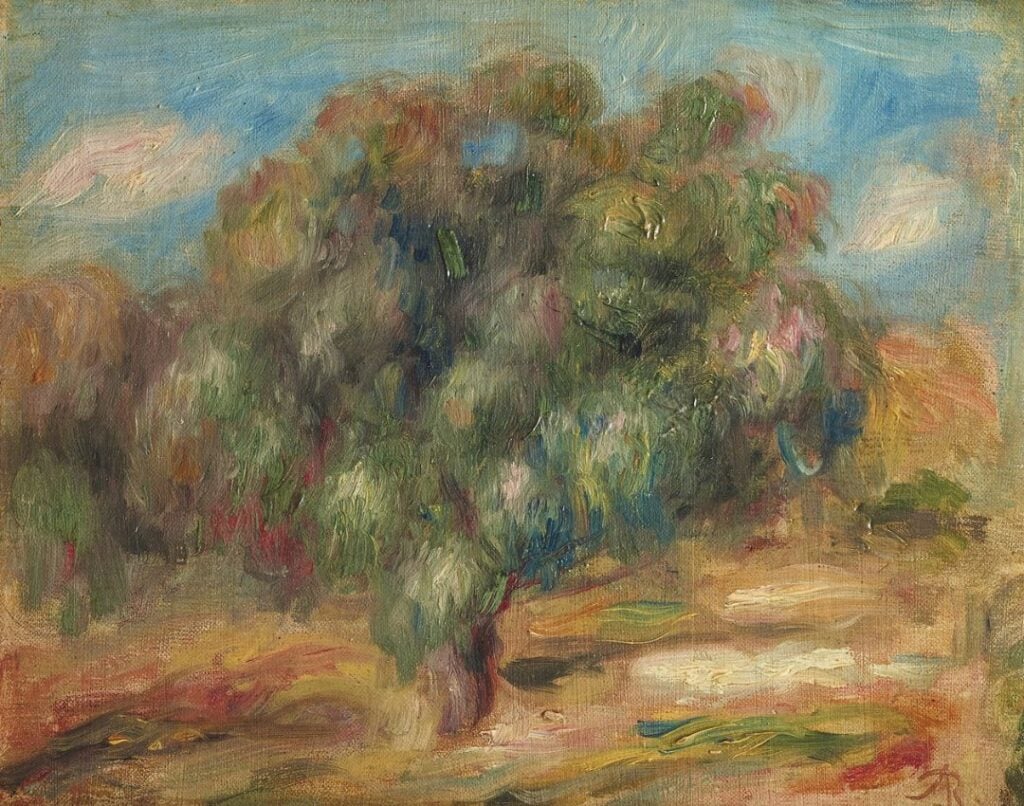
A painting needs to develop gradually—you can’t go from 0 to 60 while skipping crucial stages. You need to build a strong foundation first. That means clearly establishing the major light and dark value areas, along with the main color masses.
If you move into detail before this is in place, the painting will tighten up too early—and that’s when overworking begins.
Even if you have blocked in the major areas, but haven’t broken them down into smaller, more specific color relationships yet, jumping into detail will still cause problems. The painting hasn’t had enough time to develop structurally.
And when that structure isn’t there, everything starts to feel forced.
Not Simplifying Enough
Another major cause of overworking is not simplifying enough—especially in the beginning.

If your initial “foundation” is already too complex, with overly fragmented values, you lose the big picture. The clarity between light and shadow starts to disappear, and the painting becomes unnecessarily fussy.
From there, it’s very easy to start overworking—because you’re constantly trying to fix something that was never clearly established to begin with.
Strong paintings are built on simple, clear value relationships.
If those aren’t there early on, things unravel quickly.
Using Too Much Paint Too Soon
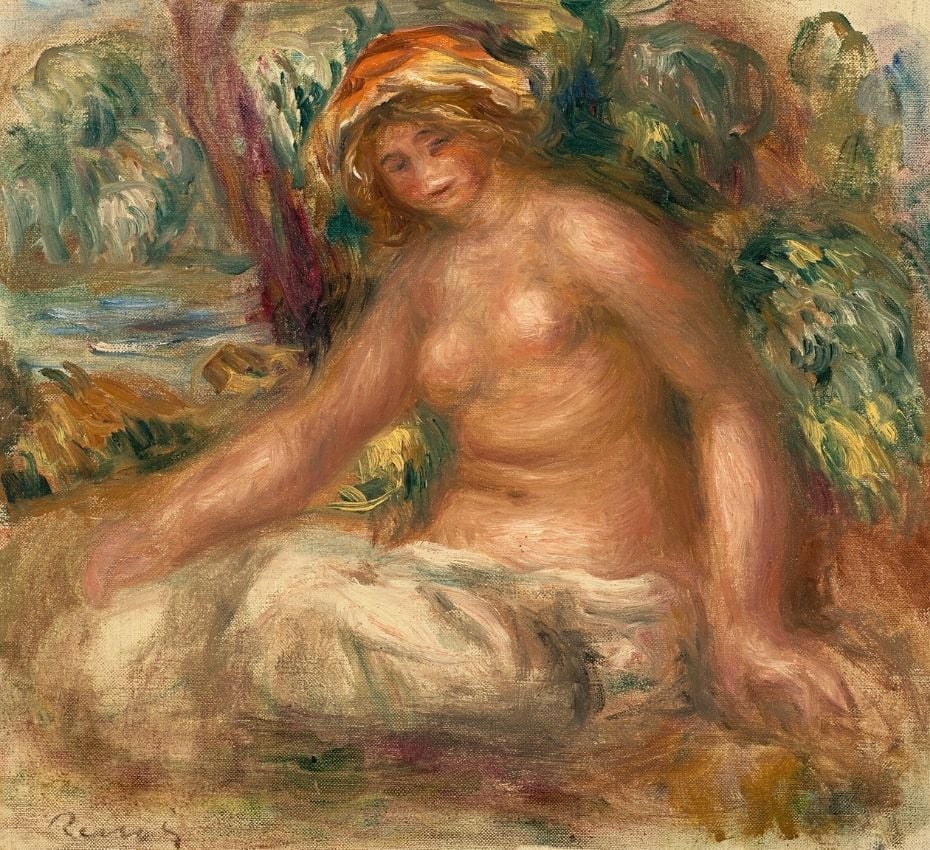
Using too much paint early on can also push a painting toward that overworked look.
Now—to be fair—most painters actually struggle with the opposite problem (not using enough paint). So don’t assume this is your main issue. But it is something to be aware of.
When there’s too much paint too early, things can get muddy and messy very quickly. And once that happens, it becomes difficult to work back into those areas without making things worse.
Sometimes the best solution is simple: scrape it down and start fresh.
It’s far easier to rebuild cleanly than to fight through a muddy surface.
Becoming Too Fixed on an Outcome
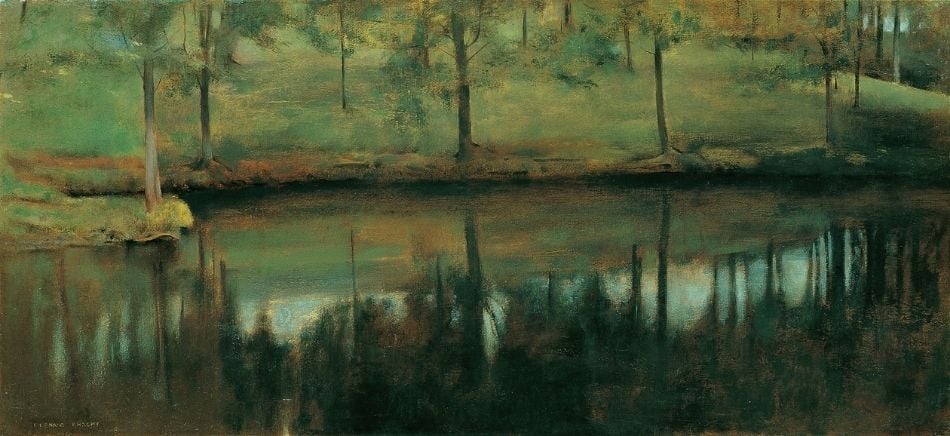
At its core, an overworked painting is one that has lost its freshness and vitality.
And this often happens when you become too attached to a specific outcome.
Instead of observing what’s actually in front of you, you start painting what you think should be there.
For example, if you’re painting a still life and you’ve already decided exactly what the apple should look like—its shape, its color, its edges—and you stick to that no matter what… problems start to creep in.
The painting becomes rigid.
When you don’t allow room for change, adjustment, and improvement, the work starts to feel lifeless very quickly.
Painting is a process of constant refinement. Some marks will stay—but many will need to change. That’s not a mistake—that’s the process.
In fact, not being open to change is one of the biggest causes of overworking.
More than anything else.
The best way to guard against this is to stay flexible. Stay observant. Don’t get too attached to what’s already on the canvas.
Because the moment you do—that’s when overworking begins.


8 thoughts on “Why Paintings Get Overworked — and How to Avoid It”
Hi Elisabeth,
this article is so helpful and on topic for me. I’m trying to paint one painting a day to improve. And I see the impact of jumping to paint before I’ve planned. That left me studying the examples you provided — it is helpful to see how world renowned artists paint pieces that are not masterpieces. Thank you!
P.S. I believe the artist’s last name in three of the not so great examples in Renoir instead of Rodin.
Thank you so much Laura for pointing out that mistake – I have no idea how I put Rodin instead of Renoir! 😂 As my brain thought I was writing Renoir. It is now fixed. I completely agree – it is so refreshing to see that very well known artists also sometimes created work that wasn’t that great. And also keep in mind that the “subpar” work from well known artists in the past likely didn’t survive over the years – so we cannot see their “mistakes”. Everyone has to go through the same learning process!
Thank you, Eliabeth. I enjoy all your comments. I have taught oil painting since 1972 and we never stop learning.
It couldn’t be more true – the learning never stops! Thank you for your kind words 🙏
Ohh Elisabeth
This is a constant issue and I end up with so many unfinished paintings still. Thank you for this article ❤️
So lovely to hear from you Florentina!! You are so welcome 🙏
Thank you Elizabeth for such a clear and well structured explanation.
You are so welcome Tamara!