
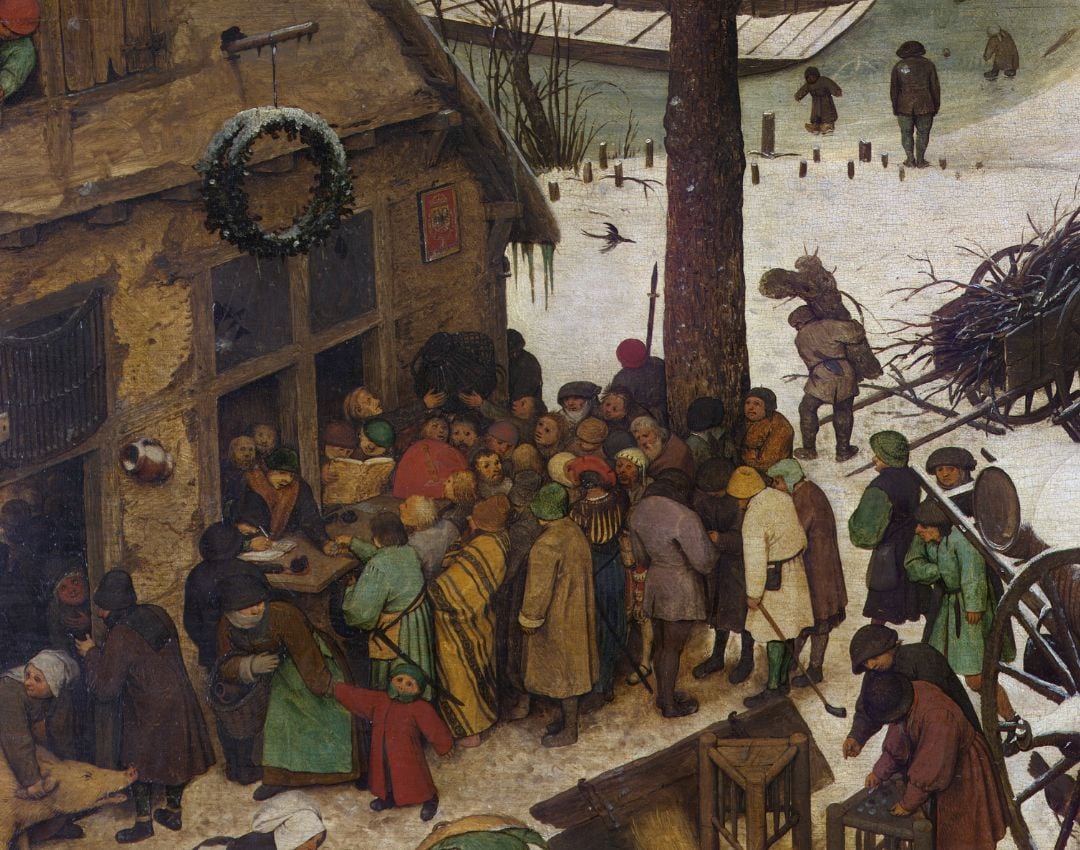

As we head deeper into the holiday season, life naturally begins to speed up. The list of errands grows longer, schedules get tighter, and suddenly finding secluded moments for painting becomes… a lot harder. If painting restores you or helps you feel grounded, the busy holiday season can make it one of the first things to fall off your schedule.
I understand this deeply. Balancing my own painting practice while running Art Studio Life can be a challenge — especially during busy seasons. But the truth is, your painting time is truly worth protecting. Not only does it nurture your growth as an artist, it strengthens your capacity to show up for everything else that the holidays bring.
The good news? There are simple, practical things you can put in place to keep painting consistently — even when you don’t have long blocks of time. Consistency isn’t about painting every day or producing big finished pieces. It’s about keeping your momentum alive so that you never lose connection with your work.
Below are strategies that genuinely help (for me and for thousands of painters in this community) when life gets busy.
1. Keep a Sketchbook for Tiny Thumbnails
A sketchbook is one of the easiest ways to stay connected to your practice. These quick drawings don’t need to be elaborate — in fact, five minutes is enough.
Small thumbnail sketches can:
- strengthen your ability to see composition and value
- help you think visually even when you can’t paint
- keep your artistic instincts awake
- require no cleanup or preparation
Even one or two little sketches a week can keep your eye and hand alert. And the best part? The skills you build here transfer directly into painting when you have more time available.
2. Schedule Your Painting Time (and Keep the Appointment)
If it isn’t on the calendar, it probably won’t happen — especially during the holidays.
Set a time (even a small one!) and treat it like a real appointment:
a meeting with yourself and your paints.
Scheduling helps because:
- it removes decision fatigue
- it gives you permission to say “no” to interruptions
- it builds a habit of honoring your creative work
Whether it’s 30 minutes on a Saturday morning or two evenings a month, the simple act of planning it makes it far more likely to happen.
3. Study Paintings When You Can’t Paint
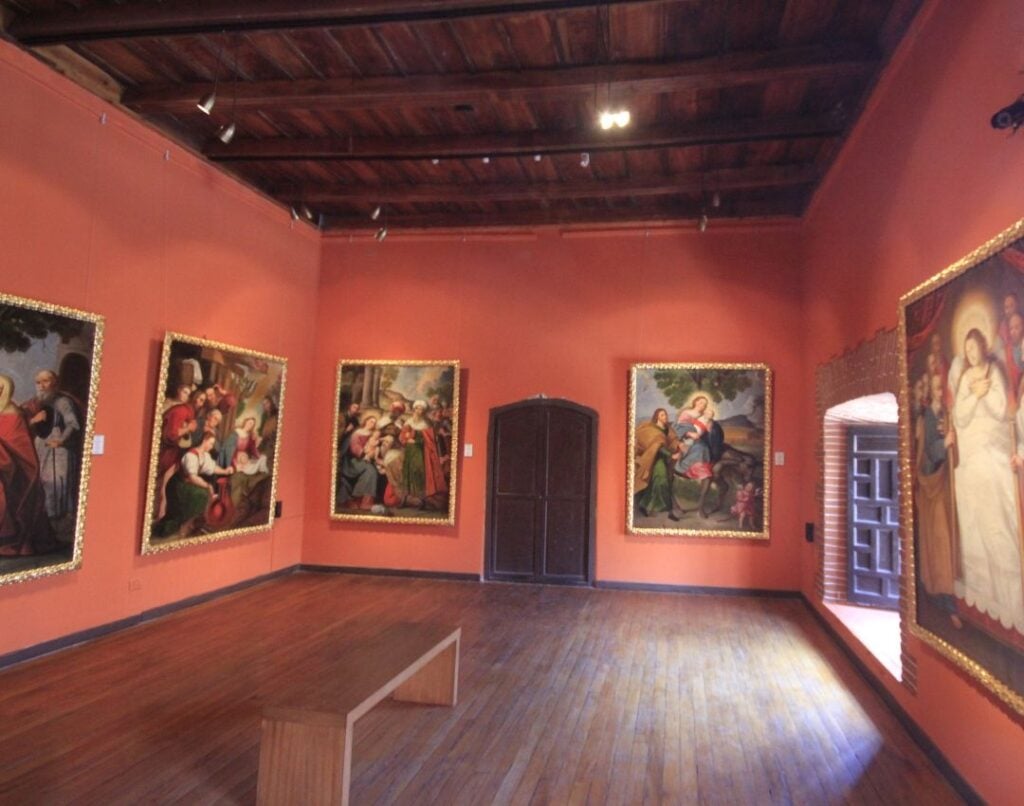
Studying art is one of the most valuable forms of practice — and it requires very little time.
Ways to study painting:
- visit a museum and observe 2–3 works closely
- browse a favorite artist’s work online
- flip through an art book with a pencil in hand
- make a small master copy to analyze color, composition, or brushwork
Studying art keeps your momentum going because it deepens your understanding even when you aren’t physically painting. When you return to the easel, you’ll bring all that fresh insight with you.
4. Remember: You Don’t Need to Paint Every Day
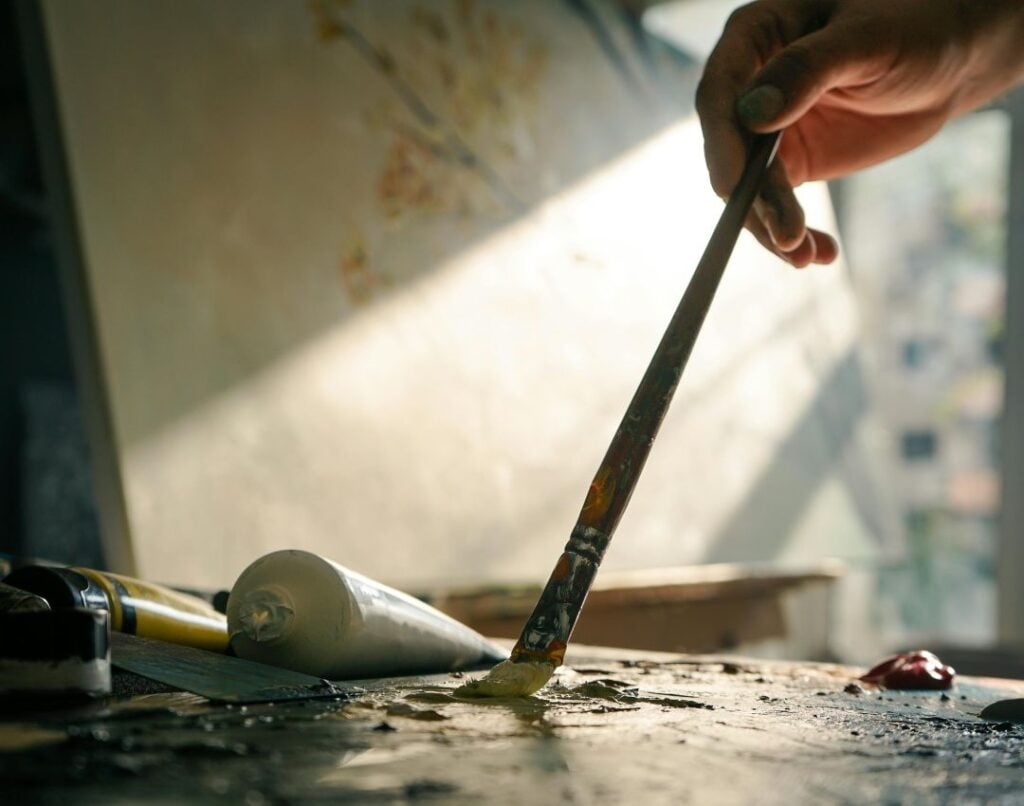
There is a common idea that being a “serious” painter means painting daily. But consistency is not the same as frequency.
Painting even once a week during busy seasons:
- keeps your connection to your work alive
- helps you continue developing—even slowly
- maintains the rhythm of showing up
- builds trust with yourself
The goal isn’t perfection. It’s presence.
If all you can manage is a weekly session, that is still consistent. And it is enough.
5. Simplify Your Setup
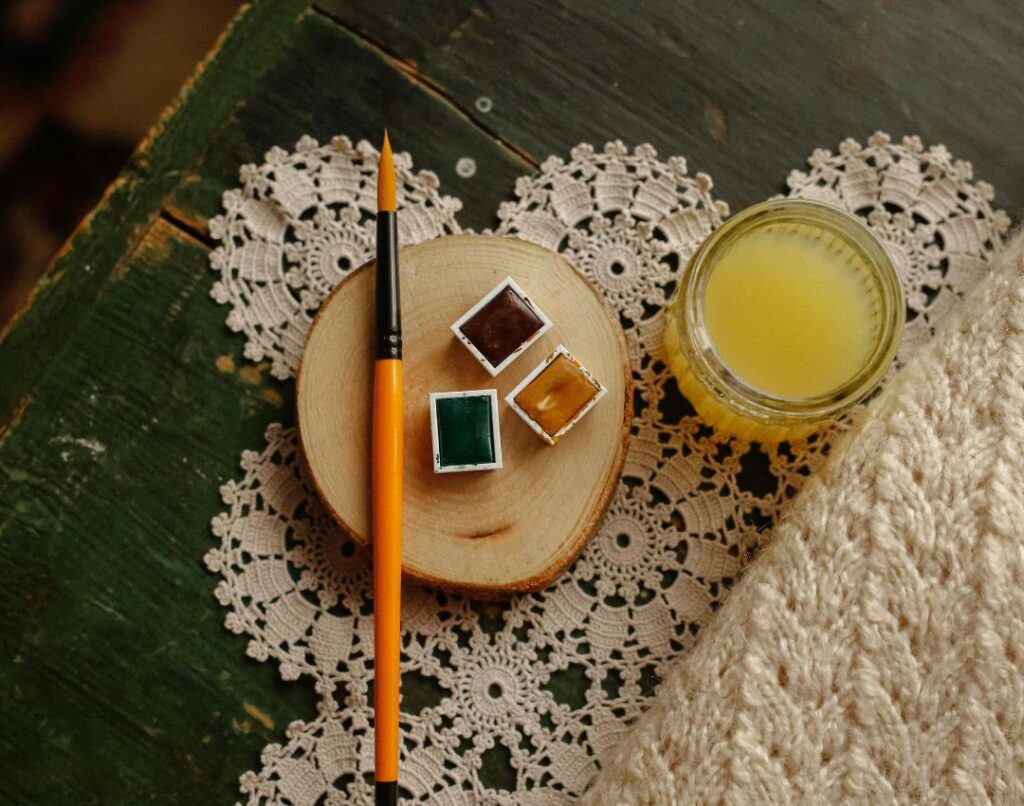
During busy seasons, friction can become the biggest obstacle. Anything that makes starting feel difficult will discourage you.
Make painting easier by preparing:
- a small portable palette
- a limited number of brushes
- one or two paint colors (even monochrome studies are fantastic)
- a small canvas or panel ready to go
When everything is readily available, you can sit down and begin immediately — even if you only have 20 minutes.
6. Work on Small Studies Instead of Big Pieces
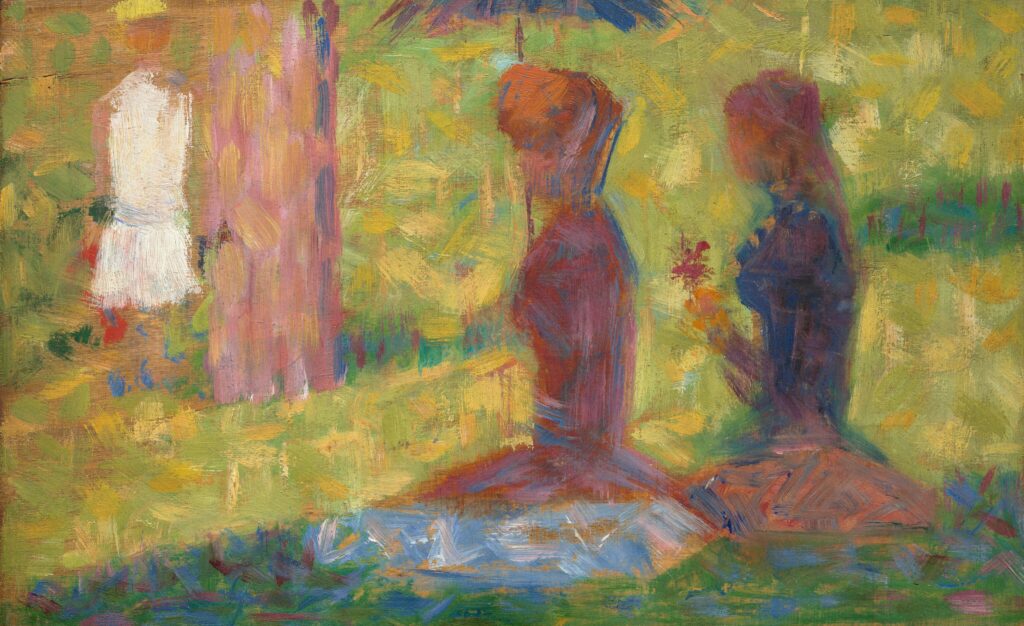
Large paintings require long blocks of concentrated time. Small studies do not.
Try:
- 20-minute value studies
- small color-blocking exercises
- simple still lifes you can paint in one sitting
- small observational studies (like a corner of an object instead of the whole thing)
These keep your skills sharp and your practice alive without the mental load of a huge project.
7. Give Yourself Permission to Paint Imperfectly
One of the biggest barriers to consistency is the pressure to make something good. Busy seasons require a gentler approach.
Allow yourself to:
- make messy sketches
- start something you won’t finish
- paint just to explore, not to produce
- experiment without expecting results
Your painting practice isn’t only about finished work — it’s about staying connected to yourself as an artist.
Know That Seasons Shift
Every artist experiences ebbs and flows. Winter is naturally busier for many people, and that is okay. What matters most is that you stay connected to your practice so you can step fully back in when the season opens again.
Consistency is built over months and years — not days.

14 thoughts on “How to Paint More Consistently (Even When Life Gets Busy)”
Hi Elisabeth
Thank you so much, this is so typical of me and my art work right now. I have had a difficult year and so hope the next one will be better. I hope you have an excellent Christmas and a great new year. I look forward to your art instructions next year, as I always have.
My very many thanks.
Mike D
Hi Mike – It can be so tricky sometimes to make consistent time for painting! Glad that you will be working on painting more next year and continuing to follow my art instructions. Same to you – merry christmas and happy new year!
Elizabeth,
Thank you for constantly teaching me how to become better.
I spend my time between Thanksgiving and Christmas painting one of a kind Christmas cards for family and friends. Not only does this keep me painting it also keeps my mind creating and exploring ideas.
I appreciate the advice and lessons you provide and I appreciate you.
Happy Holidays!
What a great idea to have such a project to work on! It also carries with it a lot of motivation to complete it as it is intended as a Christmas card. Thank you for sharing. Thank you so much for your kind words – I really appreciate it!
Great advice. Thank you.
You are very welcome!
Thanks for this helpful guide, it can’t be more true. Happy holidays!
You are so welcome!
Hi Elizabeth, I always appreciate your suggestions and this post is no exception. I often employ a similar strategy to one that you mentioned.
A fellow painting hobbyist made this suggestion to me.
I occasionally buy a packet of 5“ x 7“ canvas boards, 15 or 20 in a packet. This was suggested to me as a way of developing a sort of oil painting “sketchbook.” When the packet of canvas boards gets to my studio, I quickly do an imprimatura of each one of the boards in the packet in a different, thin earth tone. So, I’ll paint a thin veil of yellow ochre, raw siennas, and burnt sienna, etc. on all the canvas boards in the packet, and set them aside to dry. Within a day I have 15 to 20 surfaces on which to do quick gestural sketches, or to practice components of a larger project I have in mind. I recently decided to paint a large portrait that used Venetian blinds in the background. I used one of these small canvas boards to practice painting interior blinds with the various changing values and uniform lines of a set of blinds. It was hugely helpful.
Doing this has given me a huge collection of inexpensive oil painting sketches that serve as a sort of sketchbook. I’ve used them to quickly, practice painting, noses, eyes, ears, a single pedal of a flower, the handle of a coffee cup, the highlight on a wine bottle and such. And each of these canvases only require minimal set up and take about 10 to 15 minutes to complete. It’s a great way to stay in painting when I don’t have time to commit to larger projects.
I love this idea and this practice that you do with the small sized canvases. I think doing something like that is really great! And a fabulous idea to always keep those small sized canvases on hand and ready in your studio. It really does help you to keep connected to painting with minimal time commitment. Thanks for sharing!
Great advice. Can you put out a note of how to prepare to present your art to shows/galleries. Thanks.
Thanks for suggesting that – will add that to my list!
Thanks, Elisabeth, for a great suggestion to keep painting in one’s daily schedule.
Greenhouse Joe, aka Woodworker Joe
You are so welcome Joe!